No products in the cart.: $0.00

How to Choose a Waterproof Winter Coat
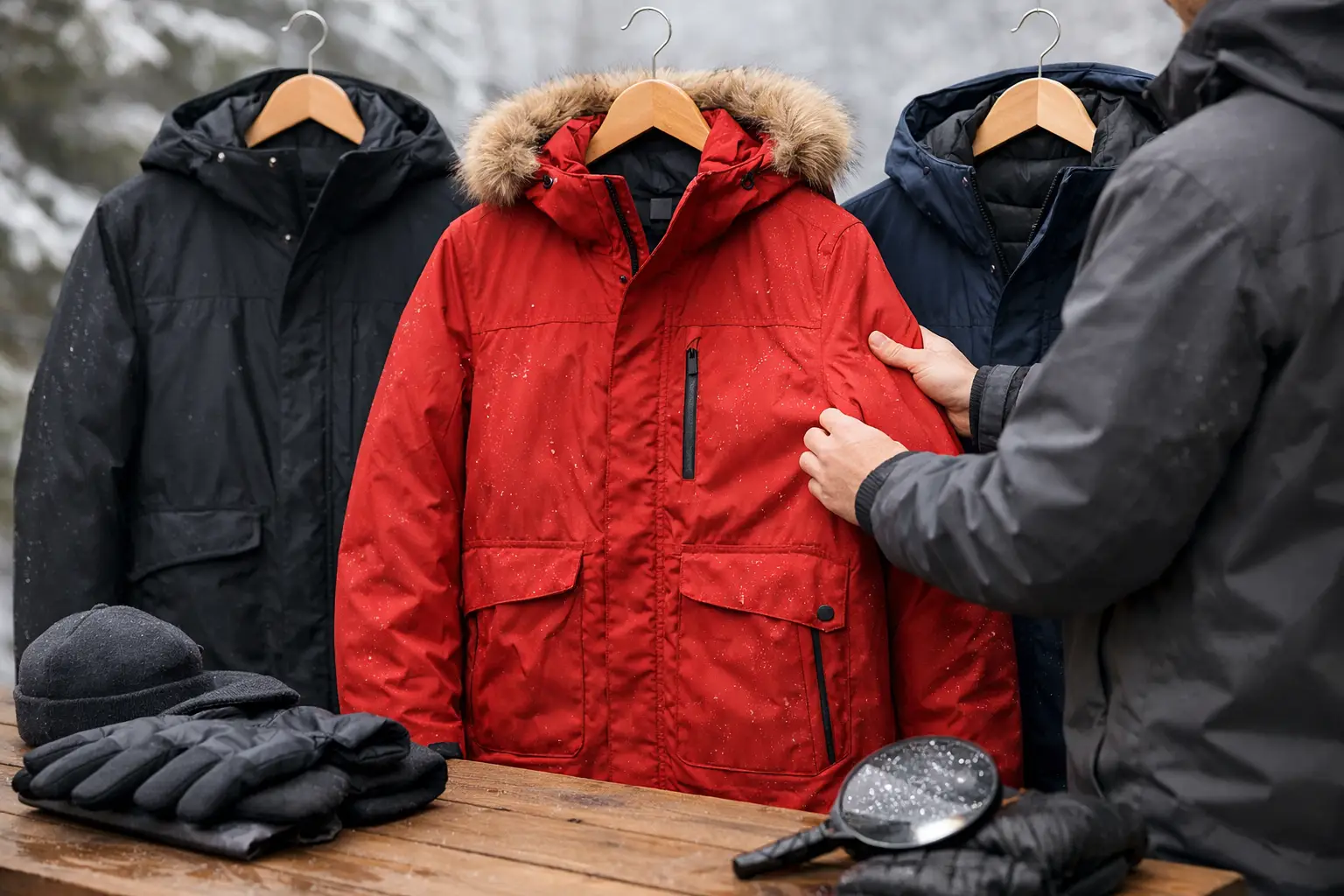
A wet commute can ruin more than your outfit. When snow turns to slush, wind cuts through the block, and rain hits sideways, a waterproof winter coat earns its place fast. The right one keeps you dry and warm while still looking sharp enough for the city, the stadium, a road trip, or a night out.
That balance matters. Some coats are built for maximum storm protection but feel too technical for everyday wear. Others deliver a standout streetwear or tailored look but need smarter layering when temperatures crash. Buying well means knowing where your winter happens and choosing a coat with the weather protection, insulation, and silhouette to match.
Waterproof Winter Coat vs. Water-Resistant Styles
The wording on a product page matters. A water-resistant coat can handle a brief drizzle, light snow, or a quick run from the parking lot to the door. Its outer fabric usually has a finish that makes moisture bead and roll off for a limited time. That is useful, but it is not the same thing as dependable rain protection.
A waterproof winter coat is designed to block water from moving through the shell. It may use a coated fabric, a membrane, sealed seams, or a combination of all three. For anyone walking dogs in winter, commuting by train, traveling through unpredictable weather, or spending long hours outdoors, that extra defense is worth having.
Still, waterproof does not always mean warmer. Waterproofing handles moisture; insulation holds body heat. A lightly insulated waterproof parka can be perfect for a damp 40-degree day, while a heavily insulated coat may be better for below-freezing weather. Look at both features instead of assuming one solves everything.
Start With Your Winter, Not the Trend
A dramatic long puffer can look incredible, but it is not automatically the best pick for every climate. Start with the conditions you actually face most often.
If your winters are cold and wet, prioritize a waterproof shell, a protective hood, and insulation that stays comfortable when the temperature dips. For snowy Midwest mornings or Northeast wind, a longer parka gives more coverage around the hips and upper legs. That extra length is practical when you are waiting for transit or walking several blocks in bad weather.
In regions where winter means rain, wind, and cool temperatures instead of deep snow, a lighter waterproof coat gives you more versatility. You can layer it over a hoodie, knit, flannel, or leather-look jacket without feeling trapped in a heavy shell. This is also a strong option for travelers who need one coat that can handle changing forecasts.
For mountain towns and serious outdoor conditions, function should lead the decision. Choose a coat with a substantial hood, secure closures, storm-ready cuffs, and enough room for thermal layers. For city wear, you can bring more personality into the mix with belted shapes, oversized puffers, polished long coats, color-blocked designs, or bold varsity-inspired details.
The Features That Keep Weather Outside
A coat can have a waterproof fabric and still let cold rain in through weak points. Construction is what separates a coat that looks ready for winter from one that actually is.
Seams and zippers matter more than most shoppers think
Water naturally finds openings. Sealed or taped seams add protection at the stitched areas where water is most likely to work through. You do not always need fully sealed seams for short city trips, but they are a major advantage if you expect steady rain or melting snow.
Check the front closure, too. A zipper covered by a storm flap helps block wind and water, especially when gusts are strong. Two-way zippers are useful on longer coats because they let you open the bottom while sitting, driving, or taking longer strides. They are a small detail that makes a long winter coat much easier to wear.
A real hood changes the game
A hood is not just an add-on. In wet, windy weather, it can be the difference between arriving put together and arriving soaked. Look for a hood with enough depth to cover your forehead and enough structure to stay in place. Adjustable drawcords help you tighten it when the weather gets aggressive.
A detachable hood offers flexibility if you prefer a cleaner look on dry days. A fixed hood often gives more dependable protection because it is built as part of the coat. Neither choice is automatically better. It comes down to whether you want a more adaptable style or maximum storm coverage.
Cuffs, collars, and pockets do real work
Cold air enters wherever it can. Ribbed inner cuffs, adjustable wrist tabs, high collars, and drawcord hems help seal in warmth. A high collar is especially useful when you want wind protection without pulling the hood up.
Do not overlook pockets. Fleece-lined hand pockets make bitter days easier, while zipped chest or interior pockets give your phone, wallet, and keys a safer home. For everyday wear, a coat should work as hard as your backpack.
Choose Insulation for Warmth Without the Bulk
The warmest-looking coat is not always the warmest coat. Insulation quality, placement, and your layering plan all affect comfort.
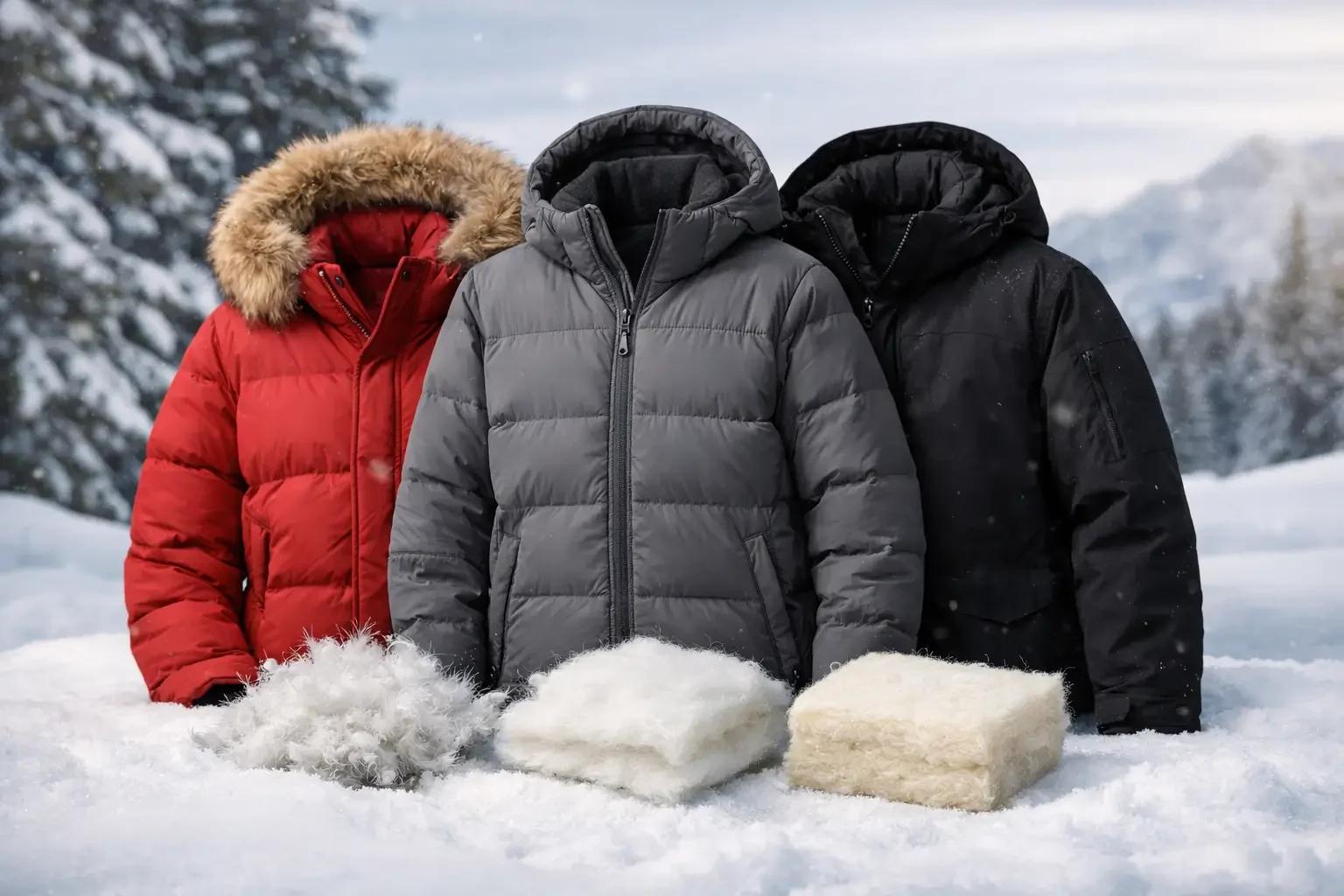
Down insulation is known for its warmth-to-weight ratio and compressibility. It is a great choice when temperatures are seriously cold and you want a lighter-feeling coat. The trade-off is that down can lose performance when it gets wet unless it has been treated for moisture resistance and protected by a capable waterproof shell.
Synthetic insulation is often a smart choice for damp winter conditions. It generally holds warmth better when exposed to moisture, dries faster, and can be easier to maintain. It may feel bulkier than down at a similar warmth level, but for rainy, slushy winters, that trade-off can make sense.
For mild winter weather, quilted padding or a lined waterproof shell may be enough. The key is leaving room for layers. A slim thermal base and a heavyweight hoodie can add serious warmth without forcing you to buy a coat that is too bulky for most days.
Find a Fit That Lets You Move
A winter coat should protect your body without turning every movement into a struggle. Try the simple reach test: imagine driving, carrying groceries, holding a coffee, or reaching for a train strap. If the shoulders pull hard, the sleeves ride up, or the chest feels tight over a sweater, size or shape may be wrong.
For a tailored coat, aim for a clean fit through the shoulders with enough room for a knit layer. For puffers, parkas, and oversized streetwear silhouettes, a little extra ease is part of the look and the function. It traps warm air and makes layering possible.
Length deserves attention as well. A cropped waterproof jacket has a fast, confident look and works well with denim, cargos, and sneakers, but it exposes more of your body to cold rain. Hip-length coats offer everyday versatility. Long coats and parkas provide the strongest coverage, particularly when wind, snow, and long commutes are part of the routine.
Build Your Look Around the Coat
Winter outerwear is usually the first thing people see. Treat it like the center of the outfit, not an afterthought.
A black waterproof parka is hard to beat for versatility. It works with dark denim, workwear pants, joggers, boots, and clean sneakers. A deep olive, navy, charcoal, or burgundy coat can add personality while staying easy to wear. If your wardrobe already leans bold, a bright puffer, glossy finish, contrast lining, or sport-inspired paneling can turn bad weather into part of the fit.
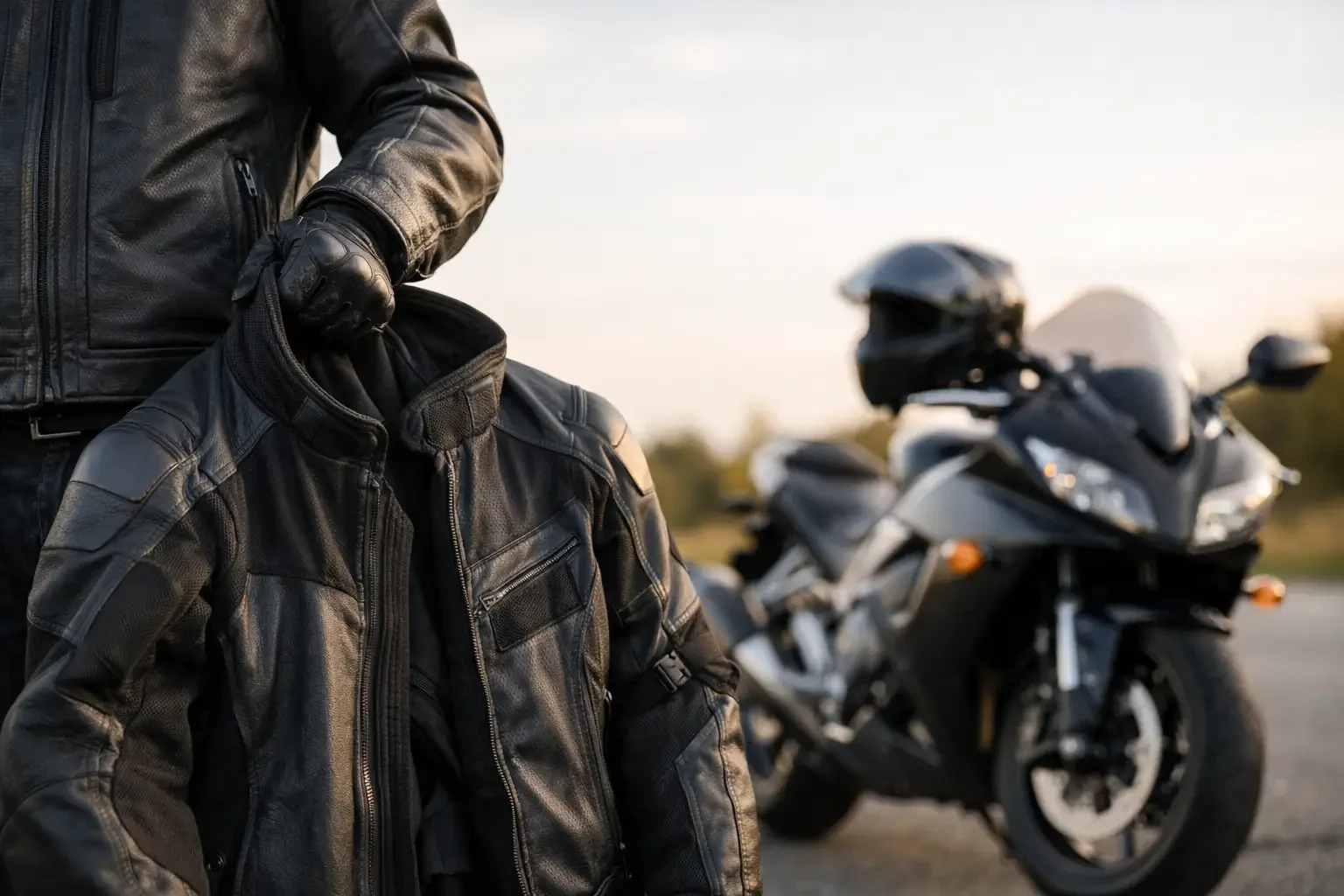
Texture creates contrast. A smooth waterproof shell looks strong over heavyweight fleece, ribbed knits, faded denim, or leather accessories. If you love biker, racing, varsity, or celebrity-inspired outerwear, look for a winter coat that keeps that edge through its cut, hardware, quilting, or color choices. Protection does not have to erase your style.
At Mad Skin Wear, the best winter layers are built for that exact mindset: show up warm, dry, and unmistakably yourself.
Care Keeps Waterproofing Working
Waterproof finishes do not last forever if they are ignored. Dirt, body oils, and detergent residue can stop water from beading on the surface, making a coat feel wet even if the inner barrier still works.
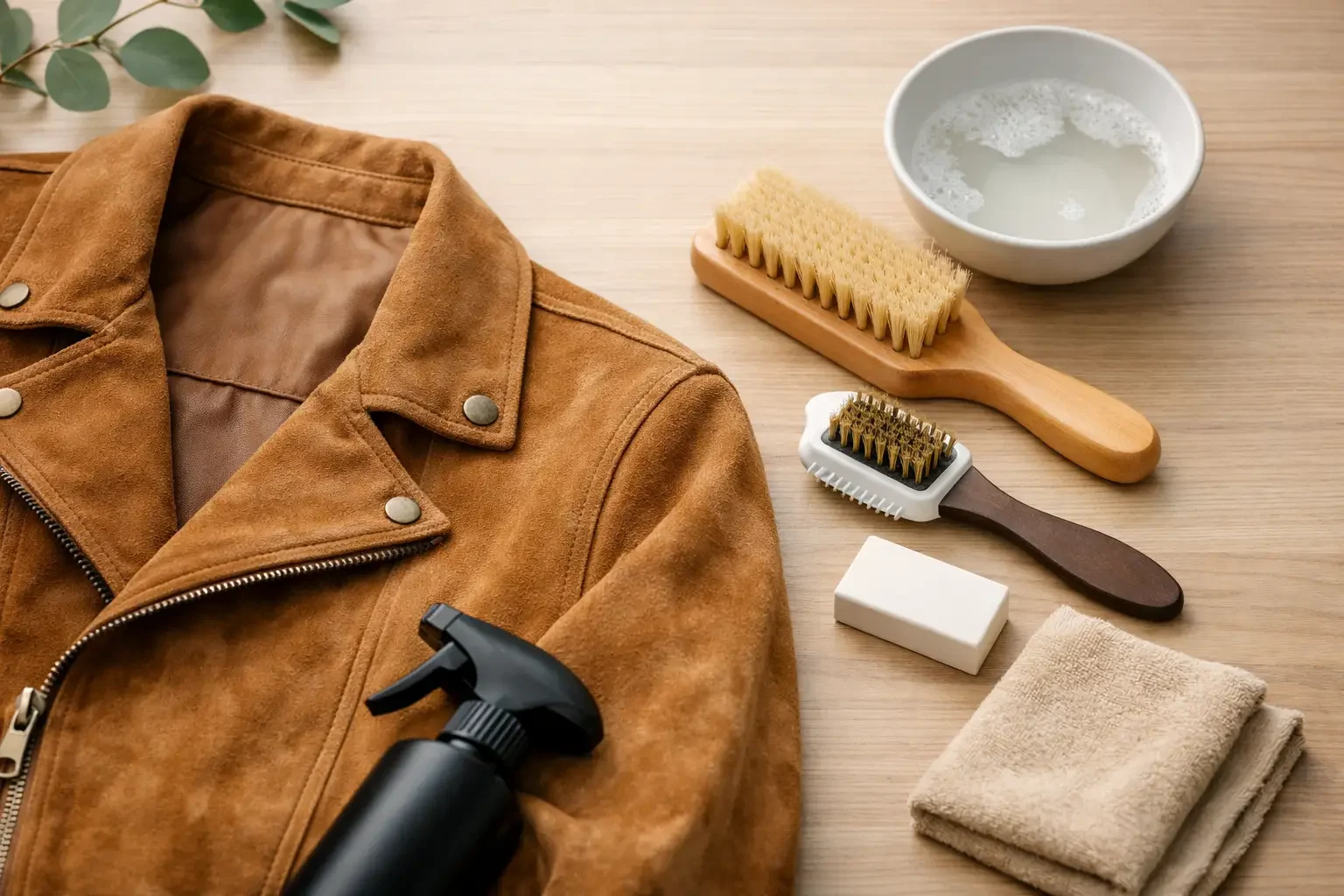
Follow the care label first. In general, avoid fabric softener and harsh detergents, which can interfere with water-repellent finishes. Clean the coat when needed rather than after every wear, and make sure it is fully dry before storing it. If water starts soaking into the outer fabric instead of beading up, a fabric-safe waterproofing treatment may help restore its performance.
Choose the coat that makes you want to step outside when the forecast looks ugly. The strongest winter style is not about pretending the weather is perfect. It is about wearing something ready for whatever hits next.