No products in the cart.: $0.00

How to Choose the Best Jacket for Motorcycle Riding
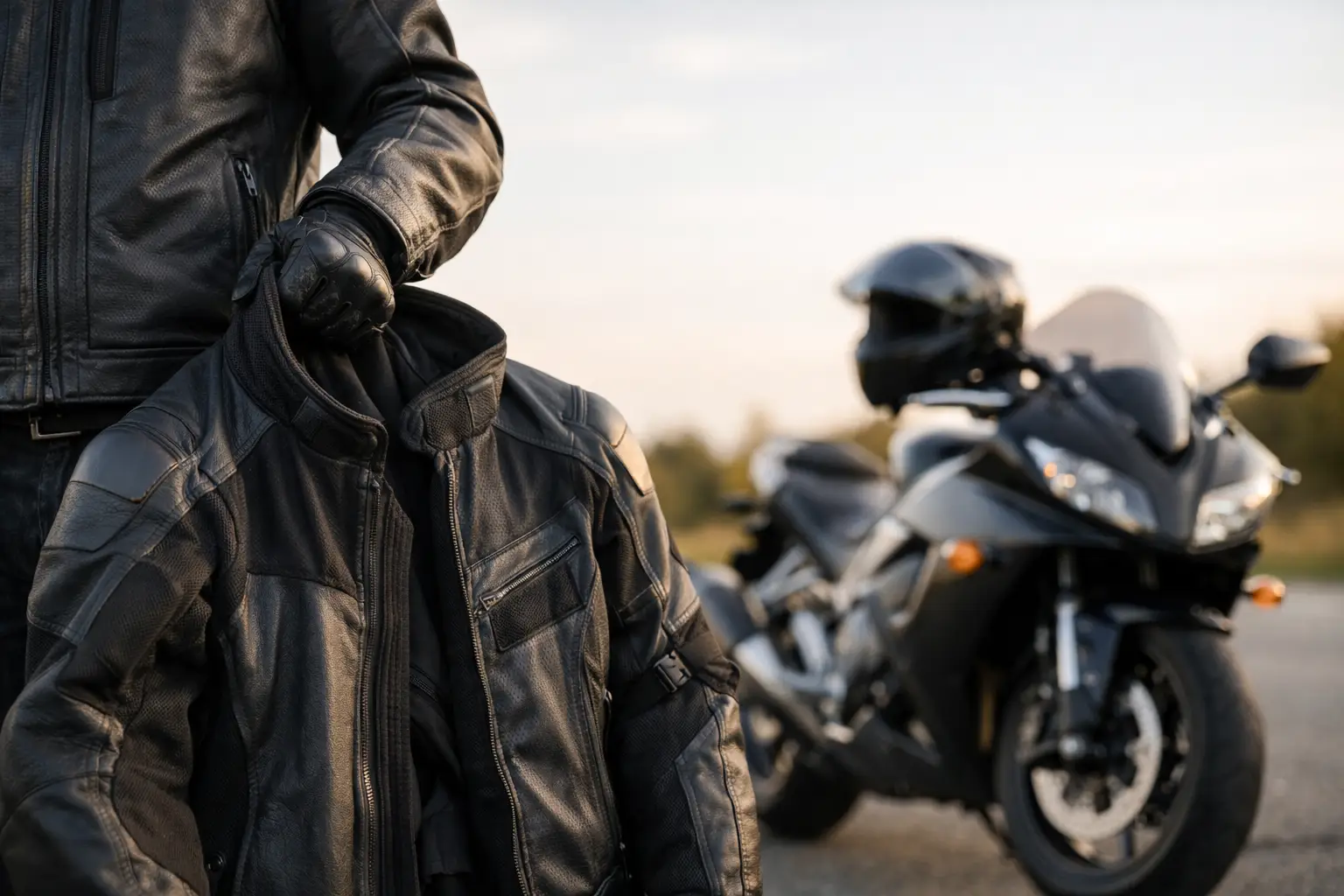
A motorcycle jacket has to earn its place the second the road turns cold, the wind picks up, or your ride runs longer than planned. The best jacket for motorcycle riding is not simply the toughest-looking leather piece in your closet. It should fit your riding position, suit the weather you actually face, and give you the protection and confidence to ride with your own signature style.
For some riders, that means a classic black leather biker jacket with a clean, rebellious profile. For others, it is a textile jacket built for rain, ventilation, and removable layers. The right answer depends on your bike, your climate, your miles, and whether you want your jacket to disappear into the background or make a statement before the engine even starts.
Start With How and Where You Ride
A weekend city rider has different needs than someone taking long highway runs through changing weather. Before choosing a jacket, think beyond the mirror. Ask where you ride most, how fast you ride, and what temperatures you are willing to ride in.
A lightweight leather or mesh jacket can feel right for warm-weather cruising, but it may leave you cold on an early-morning highway ride. A heavily insulated winter jacket brings welcome warmth in January, yet it can feel bulky and restrictive during a humid summer commute. The strongest choice is usually the one that matches your most common rides, not the most extreme conditions you may encounter once a year.
If your riding season stretches across several months, a jacket with a removable thermal liner is a smart middle ground. It gives you one strong outer layer for cool days, then lets you shed insulation when the temperature rises. For frequent rain, look for a purpose-built waterproof riding jacket or a reliable rain layer that fits over your jacket without pulling tight across the shoulders.
Best Jacket for Motorcycle Riding: Protection First
Style matters, especially when your jacket is part of your everyday look. But a true motorcycle jacket should be evaluated as riding gear first. The key difference is construction: protective jackets are designed to handle abrasion, impact zones, and movement on a motorcycle, while fashion jackets may be inspired by biker style without being certified for the same job.
Look for abrasion-resistant materials
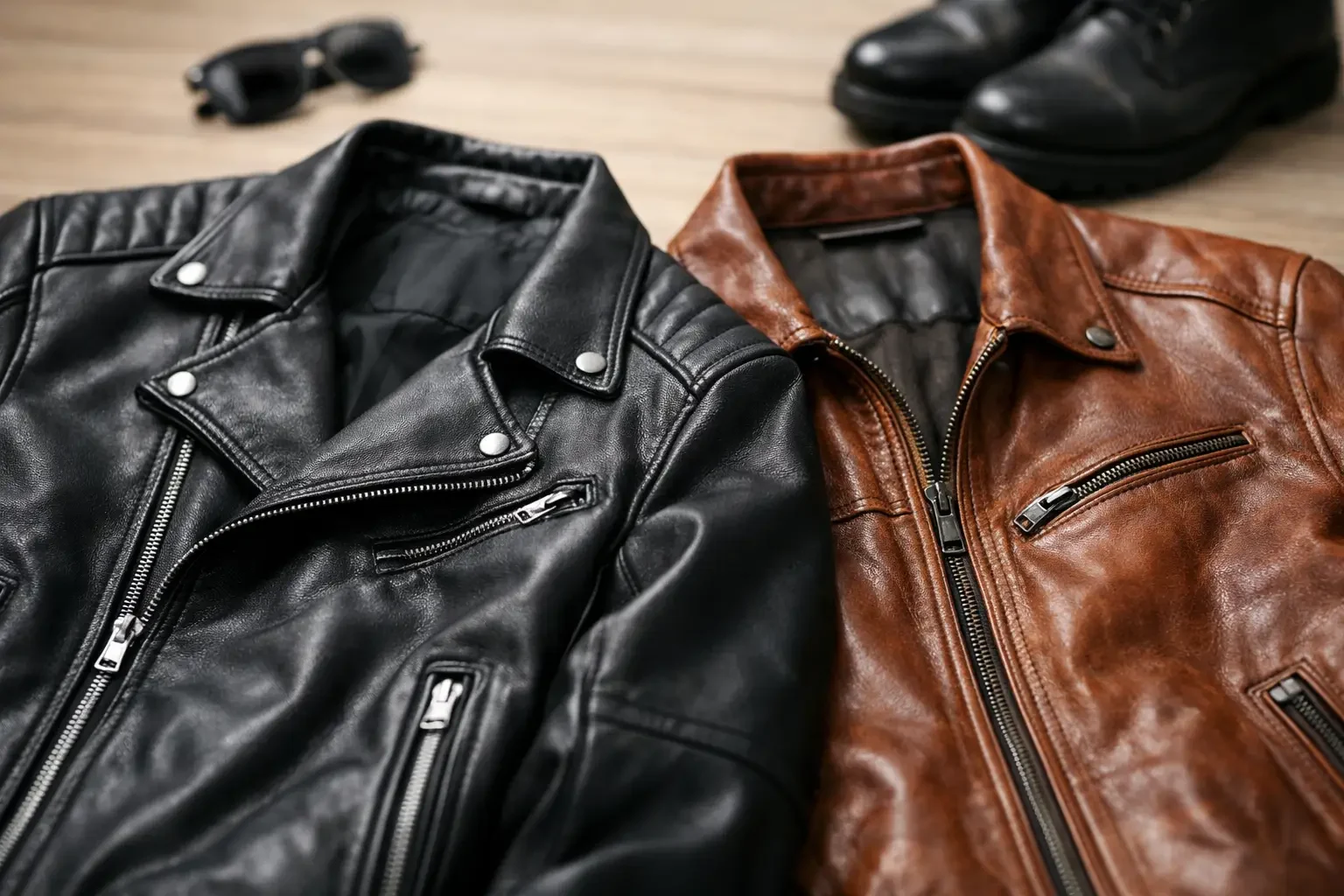
Leather remains a rider favorite for good reason. Quality cowhide and buffalo leather are naturally tough, block wind well, and develop character as they wear in. A proper leather motorcycle jacket also has a timeless attitude that works with jeans, boots, cargos, and streetwear layers. Its trade-off is weight. Leather can feel stiff at first, takes longer to dry after a soaking, and gets hot when summer traffic slows to a crawl.
Textile jackets are often the practical all-season option. Modern textile shells can be lighter than leather, easier to layer, and better equipped for rain protection and airflow. Many use high-strength woven fabrics in high-impact areas. They may not carry the same classic biker presence as a black leather asymmetrical jacket, but they win on versatility for commuters and touring riders.
Mesh is the move when heat is the main problem. It lets air flow through the jacket rather than trapping it against your body. Still, mesh is not the answer for every ride. It offers less wind blocking, and you will want layers for cool evenings or changing conditions.
Check for impact protection
Armor is what separates a riding-ready jacket from a style-only outer layer. Look for pockets or installed protectors at the shoulders and elbows, with a back protector pocket at minimum. Higher-rated armor can offer more impact management, but comfort matters too. Armor that sits in the right place while you are seated and moving is more useful than protection that shifts, pinches, or makes you stop wearing the jacket.
For serious road riding, check whether the garment is rated or certified for motorcycle use. Labels and product details should clearly explain what protection is included, what is optional, and the standard the jacket meets. Do not assume thick leather alone offers complete protection. It is a valuable material, but impact armor and reinforced construction add another level of security.
Fit Should Work on the Bike, Not Just in Photos
A jacket can look sharp standing still and feel completely wrong once your hands reach the bars. The riding position changes everything. Your arms extend, your shoulders rotate forward, and your back length matters more than it does in a casual jacket.
Try the jacket while mimicking your position on the bike. Reach your arms forward and bend slightly at the elbows. The sleeves should still cover your wrists, and the shoulder armor should stay centered rather than drifting backward. Across the chest and upper back, you need enough room to move freely without excessive loose material catching wind.
A snug leather jacket will often relax with wear, but do not buy one that is painfully tight in the hope that it will dramatically stretch. You should be able to zip it comfortably over the base layer you normally ride in. If you plan to add a hoodie or thermal layer, leave room for it now. A jacket that only works over a T-shirt is not a flexible cold-weather solution.
Length is personal. A shorter cafe racer or classic biker jacket creates a clean, fast silhouette and works well on many cruisers and street bikes. A slightly longer touring or adventure jacket gives more coverage against wind and rain. Whatever style you choose, make sure it does not ride up high enough to expose your lower back when seated.
Choose Features You Will Actually Use
A jacket packed with features sounds impressive, but the best details are the ones that solve problems on your ride. Adjustable waist tabs and sleeve straps help reduce flapping at speed and keep armor in place. Quality zippers, secure closures, and reinforced seams matter because they get used every time you ride.
Ventilation is worth prioritizing if you ride in warm states or face long summers. Look for intake vents at the chest or arms and exhaust vents along the back. Air needs a route through the jacket, not just an opening at the front. For cold-weather riders, a high collar, storm flap, and insulated liner do more for comfort than a thicker-looking jacket with no plan for wind.
Pockets are another practical detail. Exterior pockets should close securely enough to hold essentials, while an interior pocket is useful for a phone or wallet. Just keep expectations realistic: a jacket pocket is convenient, but it is not the best place for every valuable item at highway speeds.
Leather Biker Style Still Has a Place
Not every jacket purchase is about cross-country touring. Sometimes you want the unmistakable confidence of a leather biker jacket for city cruising, bike nights, concerts, or everyday wear. That is where style-forward outerwear has real value.
A classic moto silhouette, a vintage racing stripe, a quilted shoulder, or a bold varsity-inspired layer can carry the energy of motorcycle culture into the rest of your wardrobe. These pieces can be great for casual rides when they have suitable protective construction, or for off-bike style when they do not. The important thing is to know which one you are buying.
If a jacket is fashion-first, treat it honestly as fashion-first. Pair it with proper certified riding gear for higher-speed or longer rides. There is no downside to owning both: one jacket built for the road’s hard demands, another built to turn heads after you park.
Build a Jacket Setup for More Than One Season
There is rarely one perfect jacket for every rider and every month. A rider in Southern California may get more use from ventilated leather or mesh, while someone in the Midwest may need a waterproof textile shell and insulation for much of the year. Riders in unpredictable climates often get the best value from two jackets: a breathable warm-weather option and a warmer, weather-ready layer.
If you are choosing just one, aim for adaptability. A medium-weight jacket with armor, ventilation, removable warmth, and enough room for a base layer will cover more conditions than an ultra-specialized piece. Black, brown, and deep neutral shades stay easy to style, while racing colors, patches, and bold panels bring personality to a jacket you want to wear beyond the bike.
The right jacket should make you want to take the long way home. Choose one that protects your ride, moves with your body, and carries the kind of presence that feels unmistakably yours when the helmet comes off.