No products in the cart.: $0.00

Genuine Leather Jackets: How to Choose Yours
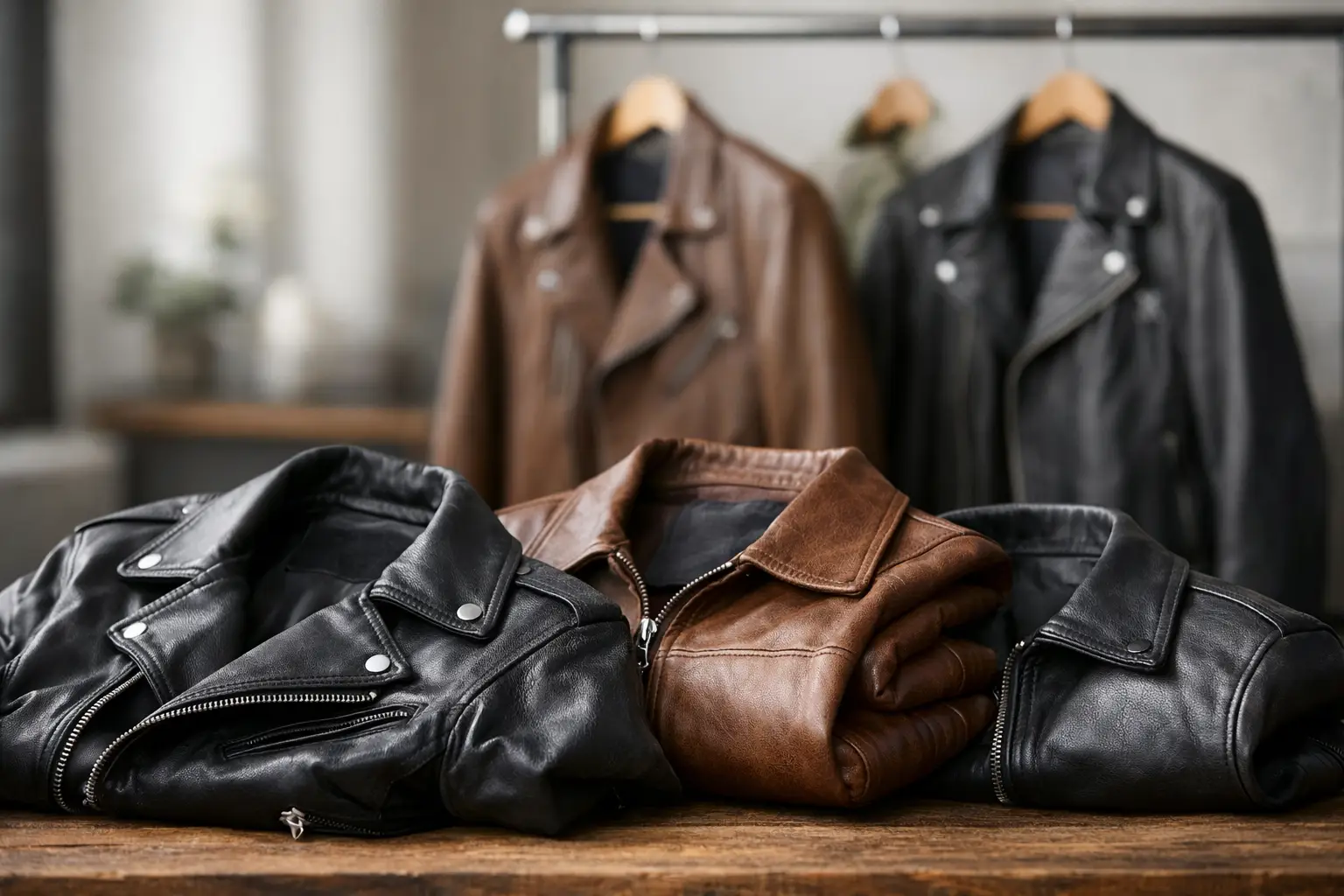
A great jacket changes the whole outfit before you say a word. Genuine leather jackets bring that rare mix of edge, durability, and everyday versatility – equally at home over a hoodie, a clean tee, a knit dress, or riding gear. But real leather is not one-size-fits-all. The hide, cut, lining, and fit determine whether your jacket becomes a long-term favorite or spends most of its life in the closet.
What Makes a Leather Jacket Genuine?
A genuine leather jacket is made from real animal hide rather than synthetic material. That sounds simple, but the term can be confusing when shopping online. “Genuine leather” confirms that the material is real leather, yet it does not automatically tell you the grade, thickness, finish, or source of the hide.
Full-grain leather retains the natural surface of the hide and develops the strongest character over time. It can show natural markings, break in beautifully, and build a rich patina with wear. Top-grain leather has a more refined, corrected surface, giving it a cleaner look and often a softer feel right out of the box. Suede comes from the underside of the hide and offers a velvety texture with a more relaxed, fashion-driven finish.
None of these options is automatically the right choice for every shopper. A sleek top-grain leather blazer may suit city wear and sharper outfits. A heavier full-grain biker jacket can make more sense for someone who wants rugged structure and years of hard use. Suede looks exceptional in a trucker, bomber, or western-inspired cut, though it needs more care in wet weather.
The key is to buy for the life you actually live, not just the product photo you like most.
Choose the Jacket Shape Before the Color
Black leather is iconic for a reason, but silhouette should come first. The right shape decides how often you will reach for a jacket and what it can work with.
The biker jacket
The biker jacket is built for presence. Think asymmetrical zip closure, wide lapels, hardware, and a fitted waist. It brings instant attitude to denim, boots, cargos, and even softer pieces like a slip skirt or wide-leg trousers. A classic biker should feel secure through the shoulders without pulling when you move your arms.
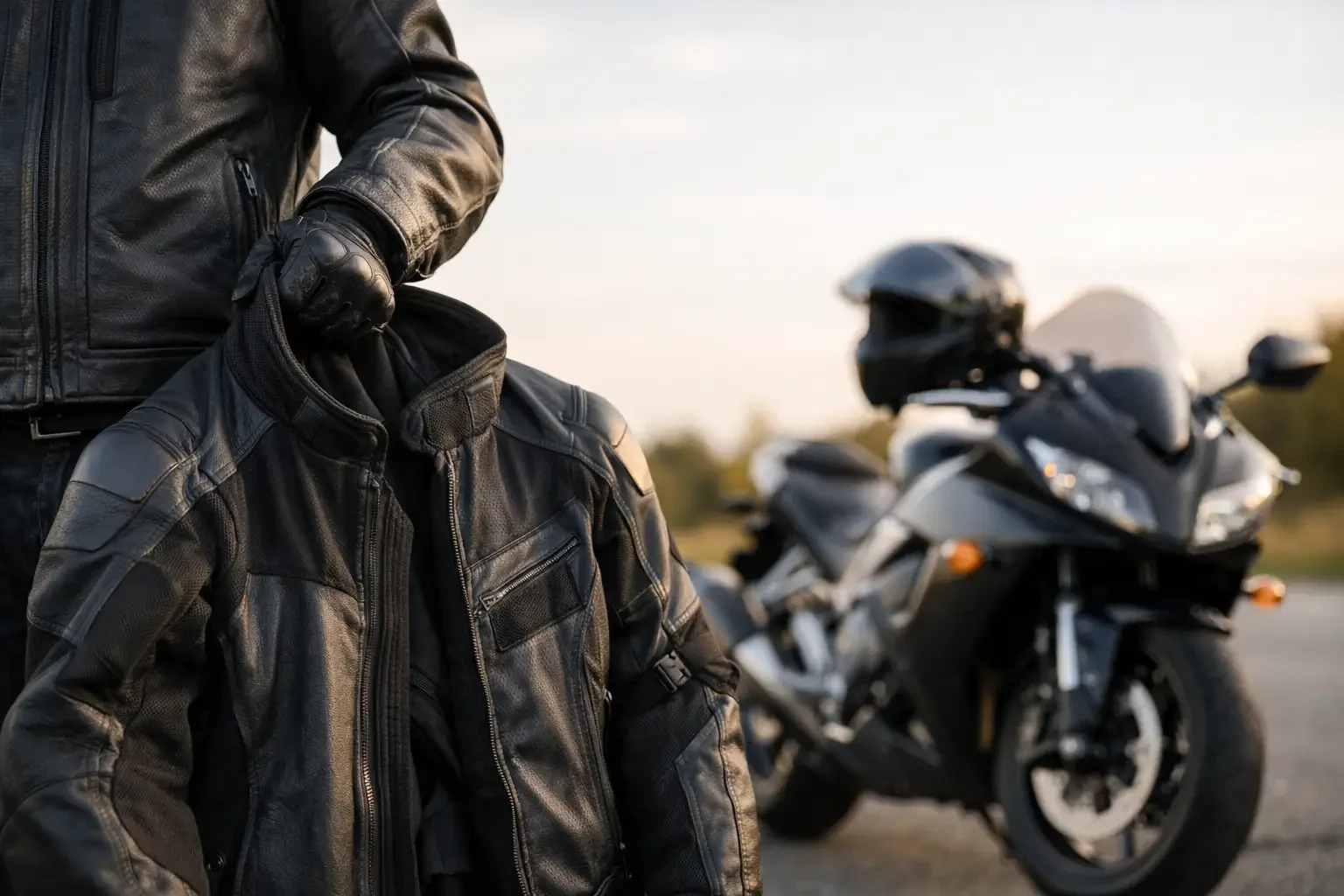
For motorcycle-oriented wear, look beyond the visual details. A substantial hide, secure closures, and a lining that feels comfortable over layers matter more than decorative zippers. Fashion biker jackets can be lighter and easier for daily styling, but they are not always designed for the same demands as riding apparel.
The bomber jacket
A leather bomber gives you a cleaner, more casual route into real leather. Its ribbed cuffs and hem create a defined shape, while the simpler front works with almost anything. Wear one with jeans and sneakers for off-duty style, or pair it with chinos and boots when you want a sharper casual uniform.
Bombers are especially useful for shoppers who want a leather jacket without the heavy-metal energy of a biker. They also layer well over hoodies, making them a strong choice for transitional weather.
The racer jacket
A racer jacket cuts the extra drama. Usually built with a stand collar, straight zip front, and minimal details, it has a streamlined motorsport look that feels current without chasing every trend. It works for date nights, concerts, weekend drives, and everyday city wear.
Because the design is clean, fit becomes even more visible. A racer should sit close to the body but still allow a T-shirt or thin sweater underneath. If the chest pulls across the zipper, size up. If the sleeves fall well past your wrist, the jacket will lose its sharp line.
Blazers, truckers, and longline styles
Leather blazers bring polish with an edge. They work well with tailored pants, dark denim, and elevated basics, especially when you want something stronger than a standard wool layer. Leather truckers lean more vintage and casual, with a familiar button-front shape that feels easy to wear.
For colder months, a leather coat or shearling-trimmed style offers more coverage and more warmth. These are statement pieces, but they also earn their space in a winter wardrobe when the lining and insulation match your climate.
Fit Is the Difference Between Cool and Costume
Leather does relax with use, but it should not start out painfully tight. The most reliable fit check begins at the shoulders. Shoulder seams should sit near your natural shoulder edge, and you should be able to reach forward without sharp pulling across your upper back.
Close the jacket fully before deciding. You need enough room through the chest and waist for your usual base layer, whether that is a tee, henley, button-down, or lightweight knit. If you plan to wear heavy hoodies underneath, consider a roomier bomber or a jacket designed for layering rather than forcing a slim racer to do a job it was never cut to do.
Sleeves should generally end around the wrist bone. The body length depends on the style: bikers and bombers often sit around the waist, while blazers and coats are intentionally longer. Do not size up solely because you prefer an oversized look. An intentionally relaxed cut will look better than a jacket that is too wide in the shoulders.
When buying online, use your chest, shoulder, and sleeve measurements instead of relying on your usual T-shirt size. Brands vary, and the product’s size guide is more useful than the letter on the tag. At Mad Skin Wear, the broad mix of biker, bomber, varsity, shearling, and fashion-led outerwear makes it easier to choose a silhouette that matches your style rather than settling for a generic jacket.
Think About Weather, Lining, and Weight
Leather blocks wind well, which is one reason it remains a cold-weather staple. Still, leather alone is not the same as insulation. A lightweight unlined or lightly lined jacket is ideal for crisp fall days, cool nights, and spring layering. It will not replace a true winter coat when temperatures drop.
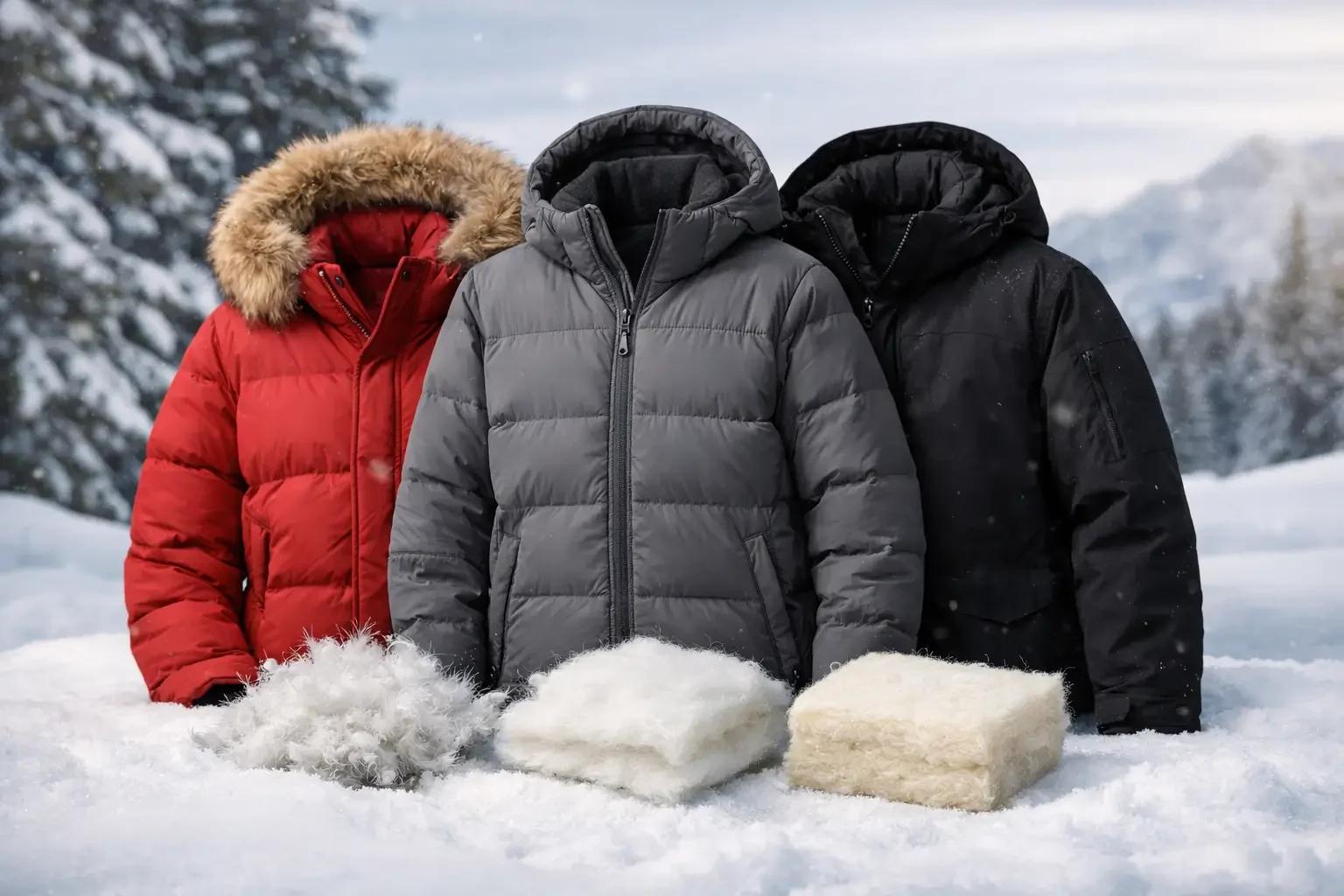
A quilted lining adds warmth without creating too much bulk. Shearling and shearling-style linings offer a heavier, more protective feel and bring serious visual impact, but they can be warm enough to feel excessive in mild climates. If your winter is wet, remember that most leather needs protection from prolonged rain and should be dried naturally if it gets damp.
Color matters here, too. Black is low-fuss and naturally pairs with nearly everything. Brown, cognac, and distressed finishes create a warmer, heritage-inspired look that shines with denim, cream knits, and earth tones. Red, white, racing stripes, team details, and celebrity-inspired designs are for shoppers who want their jacket to lead the outfit, not just finish it.
How to Tell Whether the Quality Feels Right
You do not need to be a leather expert to shop with more confidence. Read the material description carefully and look for clear details about the leather type, lining, closure, pockets, and care requirements. Product photos should show the front, back, hardware, collar, and close-up texture whenever possible.
Pay attention to construction details. Even stitching, aligned panels, smooth zippers, and secure pocket placement are good signs. A leather jacket may have a natural scent, subtle grain variation, or small character marks. Those details can be part of what makes real leather feel individual rather than factory-flat.
Price is part of the decision, but it is not the only measure of value. A jacket you wear twice a week through multiple seasons can offer more real value than a cheaper trend piece that loses its shape after a few outings. On the other hand, there is no need to buy the heaviest, most expensive hide if you want a lightweight layer for occasional nights out. The best buy depends on frequency, climate, and how much you expect from it.
Care That Keeps Leather Looking Better
Leather rewards a little attention. Hang your jacket on a wide, sturdy hanger so the shoulders hold their shape. Keep it away from direct heat, and never use a dryer if it gets wet. Let it air-dry at room temperature, then restore softness with a leather conditioner that suits the finish.
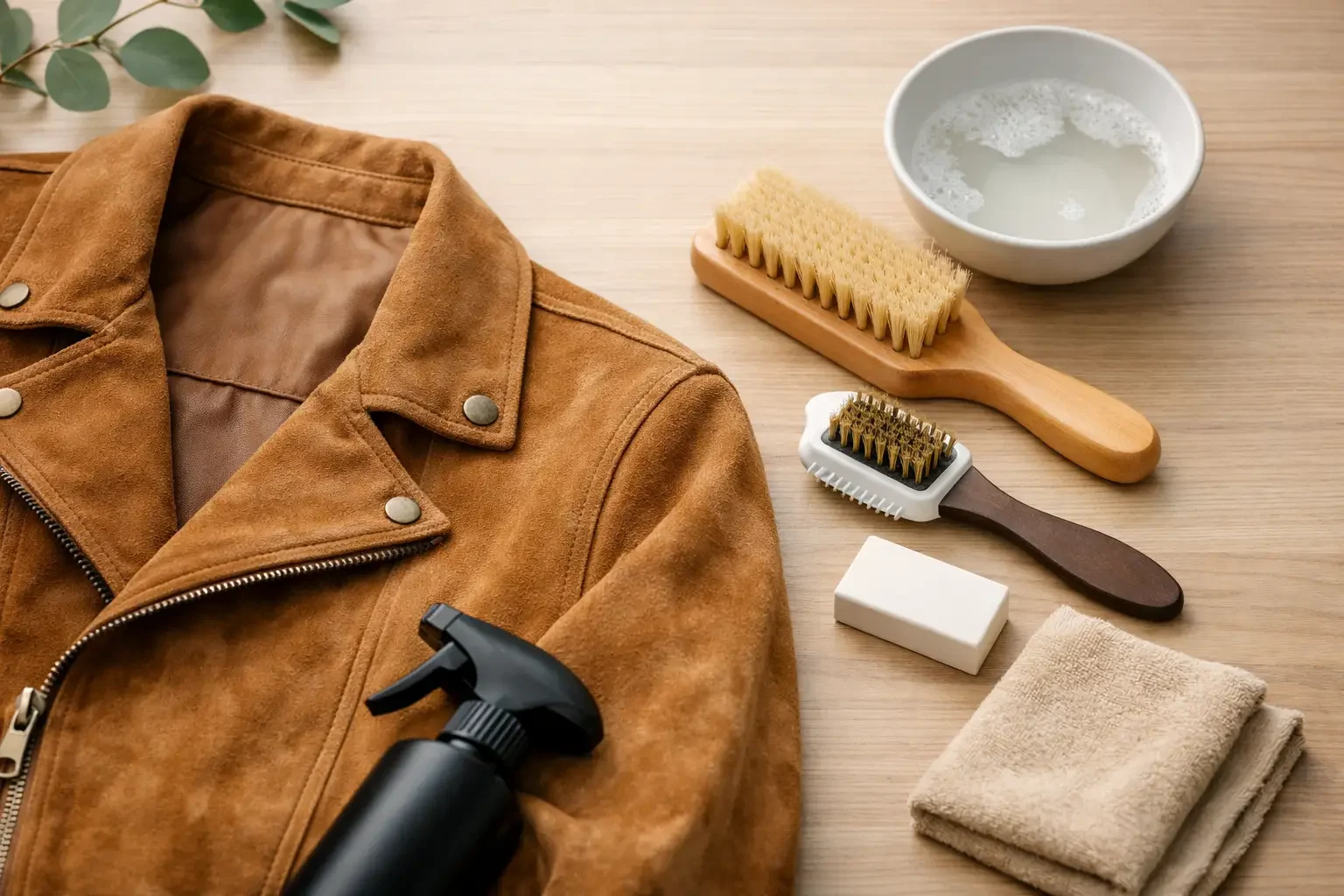
For everyday cleaning, use a soft dry cloth to remove surface dust. Treat stains carefully and avoid testing cleaners on visible areas first. Suede needs its own brush and protector, while smooth leather benefits from occasional conditioning. Store your jacket in a breathable garment bag, not sealed plastic, especially between seasons.
A genuine leather jacket should feel like your signature, not a costume you save for the perfect occasion. Choose the cut that fits your routine, give it the care it deserves, and let every wear add a little more character.