No products in the cart.: $0.00

Men’s Winter Coats for Every Cold-Weather Move
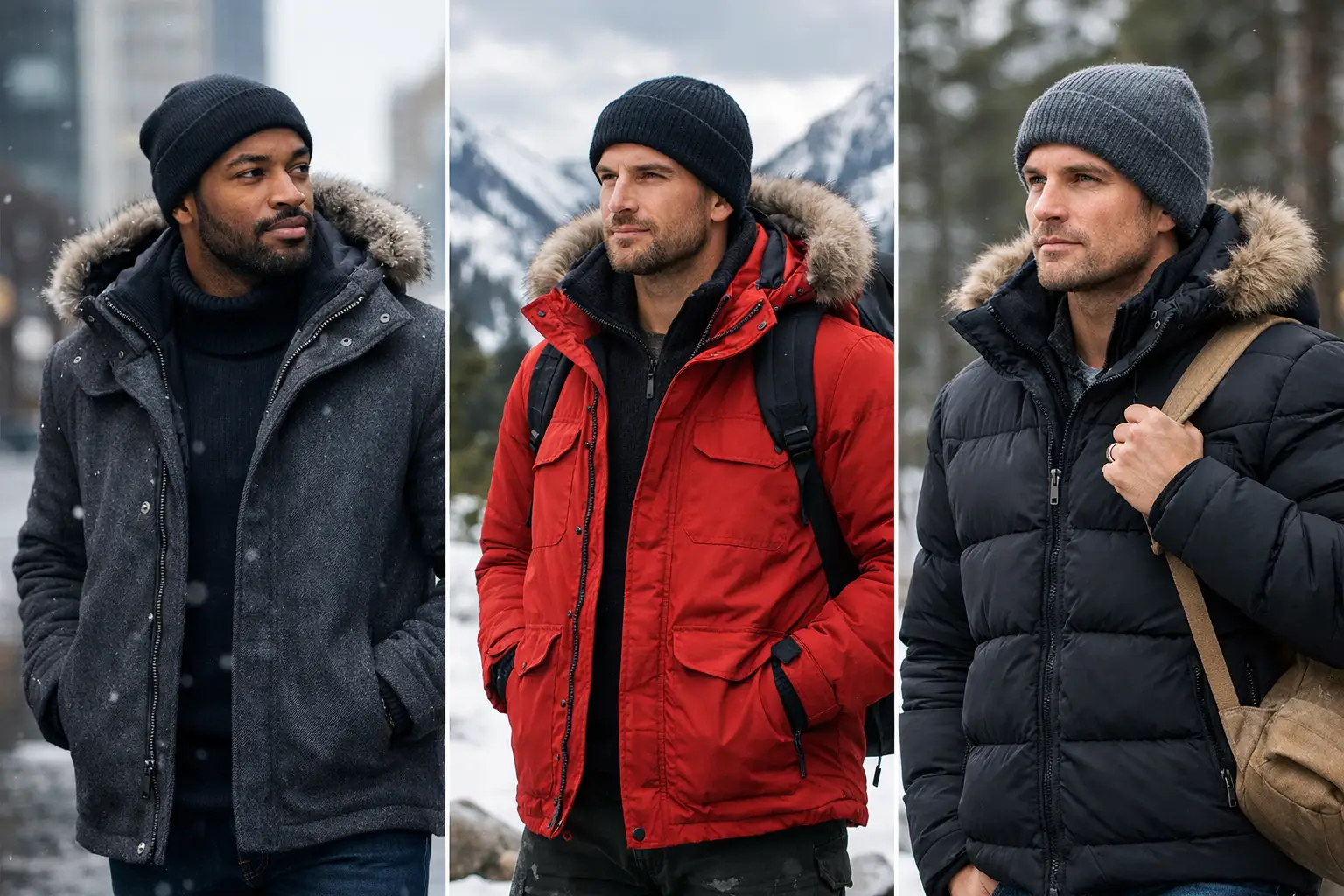
A winter coat gets more attention than almost anything else you wear from November through March. It is the first thing people see when you step out of the car, hit the stadium, head downtown, or ride through a cold morning. The right men’s winter coats do more than block wind and trap heat. They give your whole cold-weather rotation a sharper, more confident edge.
The best choice depends on how winter actually looks where you live. A dry city cold calls for a different coat than wet snow, mountain wind, or a long motorcycle commute. Start with weather, then choose the silhouette that feels like you.
What Makes a Winter Coat Worth Wearing?
Warmth matters, but warmth without mobility or style usually leaves a coat hanging in the closet. Look for a balance of insulation, outer material, length, and layering room. A coat should feel substantial without making you look or feel boxed in.
For everyday wear, consider what sits underneath it. If you normally wear hoodies, flannels, or knitwear, leave enough space through the chest and shoulders. If your wardrobe is built around fitted tees and tailored pants, a cleaner wool coat or streamlined leather style may make more sense. A great coat does not fight the rest of your wardrobe. It gives your go-to pieces a stronger finish.
Weather protection is another deciding factor. Water-resistant shells and insulated puffers are practical when snow and slush are part of the forecast. Wool brings polished warmth for dry cold. Leather and shearling bring standout texture, durability, and serious character, though they are not always the first pick for heavy rain.
Men’s Winter Coats by Style and Weather
The puffer for serious cold
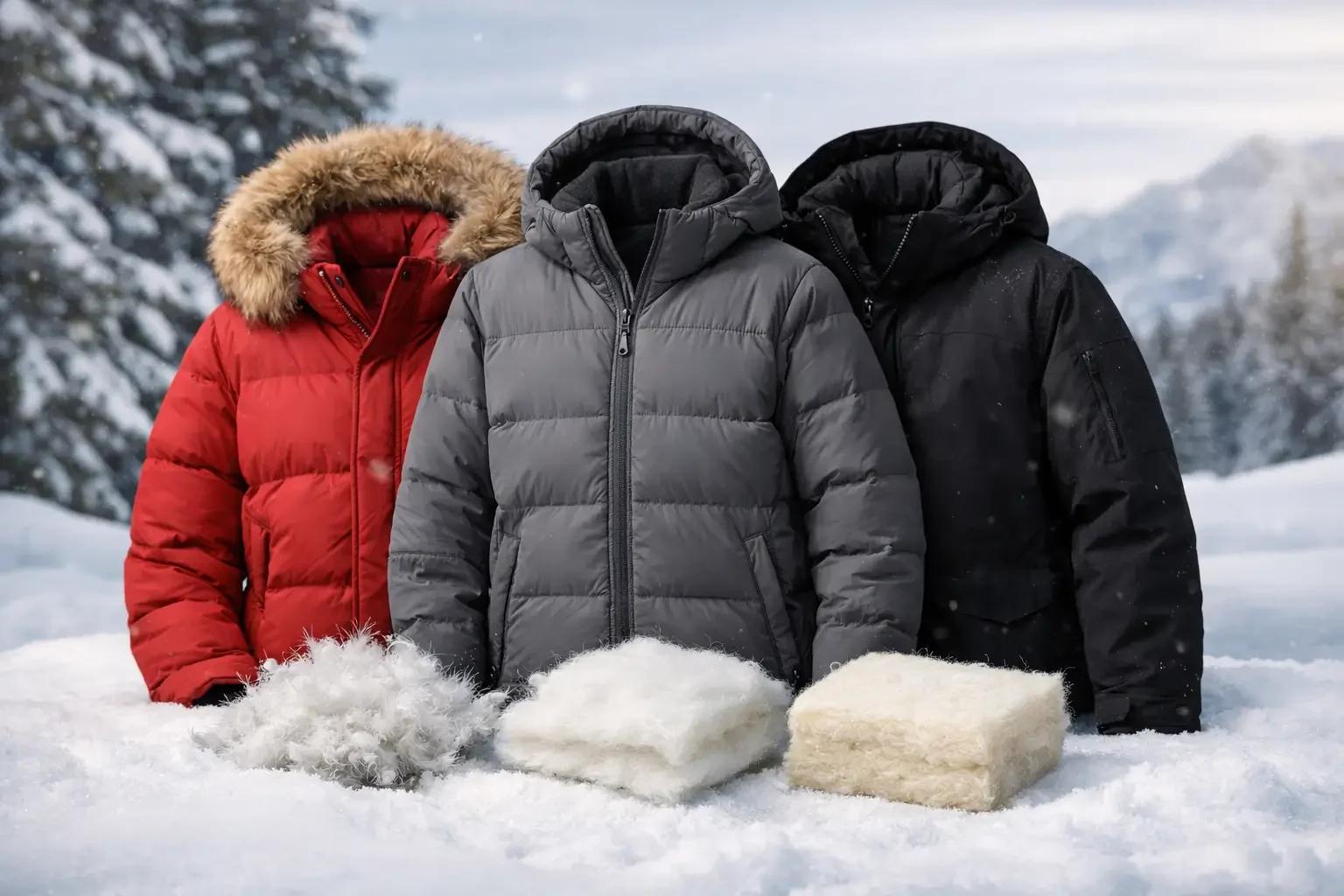
Puffer coats are built for the days when looking good has to share space with staying warm. Their insulated construction holds heat close to the body, making them a smart choice for freezing temperatures, outdoor events, travel, and long walks through windchill.
A short puffer feels sporty and easy with jeans, cargos, joggers, and sneakers. A longer puffer gives more coverage around the hips and thighs, which matters when the temperature drops hard. Black, charcoal, olive, and navy make daily styling easy, while a bright color or high-shine finish turns the coat into the outfit’s main event.
The trade-off is volume. Oversized puffers have a strong streetwear look, but they can overwhelm a smaller frame or feel restrictive behind the wheel. If you want a cleaner profile, choose moderate insulation and a less bulky quilt pattern.
The wool coat for clean city style
A wool overcoat is the move when your winter plans include work, dinners, dates, or any setting where a hoodie alone will not carry the look. It brings structure to denim and boots, but it also works over a button-down, knit polo, or suit.
Peacoats, topcoats, and longer car coats each offer a different level of formality. A peacoat is compact, classic, and strong with casual layers. A knee-length topcoat has more drama and coverage, especially with tailored outfits. Camel, black, charcoal, and deep navy are the easiest colors to wear repeatedly without getting bored.
Wool is naturally warm, but it is not automatically storm-ready. A wool coat handles crisp, dry days beautifully. In wet snow or steady rain, it is better to reach for a water-resistant layer unless you are keeping the commute short.
Leather and faux leather for a harder edge
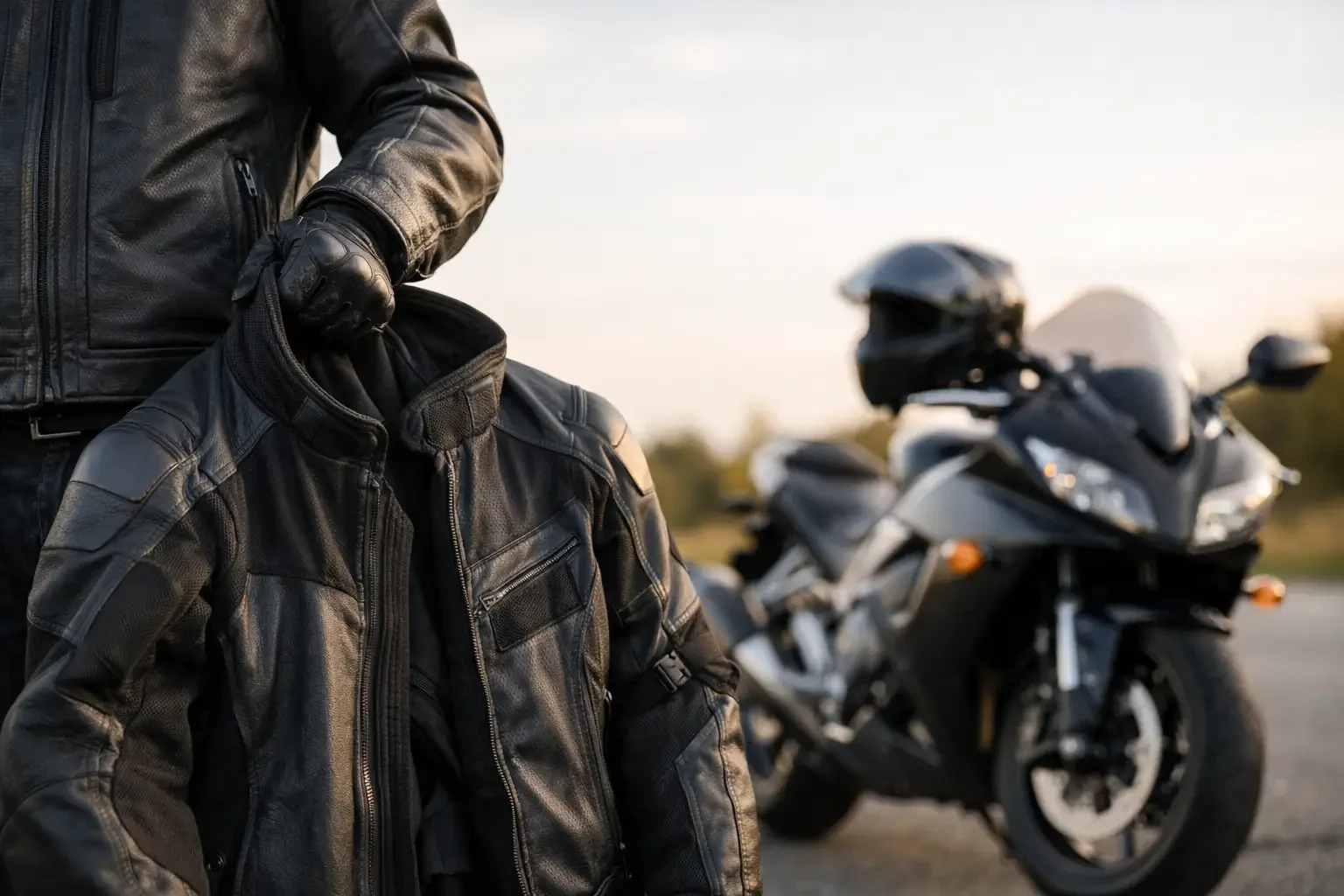
Leather outerwear is not always the warmest option on its own, but it can be one of the smartest winter style plays when layered properly. A leather bomber over a hoodie gives you a classic street-ready uniform. A biker jacket with a heavyweight sweater, dark jeans, and boots brings attitude without trying too hard.
For colder conditions, look for lined leather, longer leather coats, or shearling-trimmed designs. Faux leather offers a similar visual punch at a more accessible price point and is an easy way to experiment with a bolder color or trend-led cut.
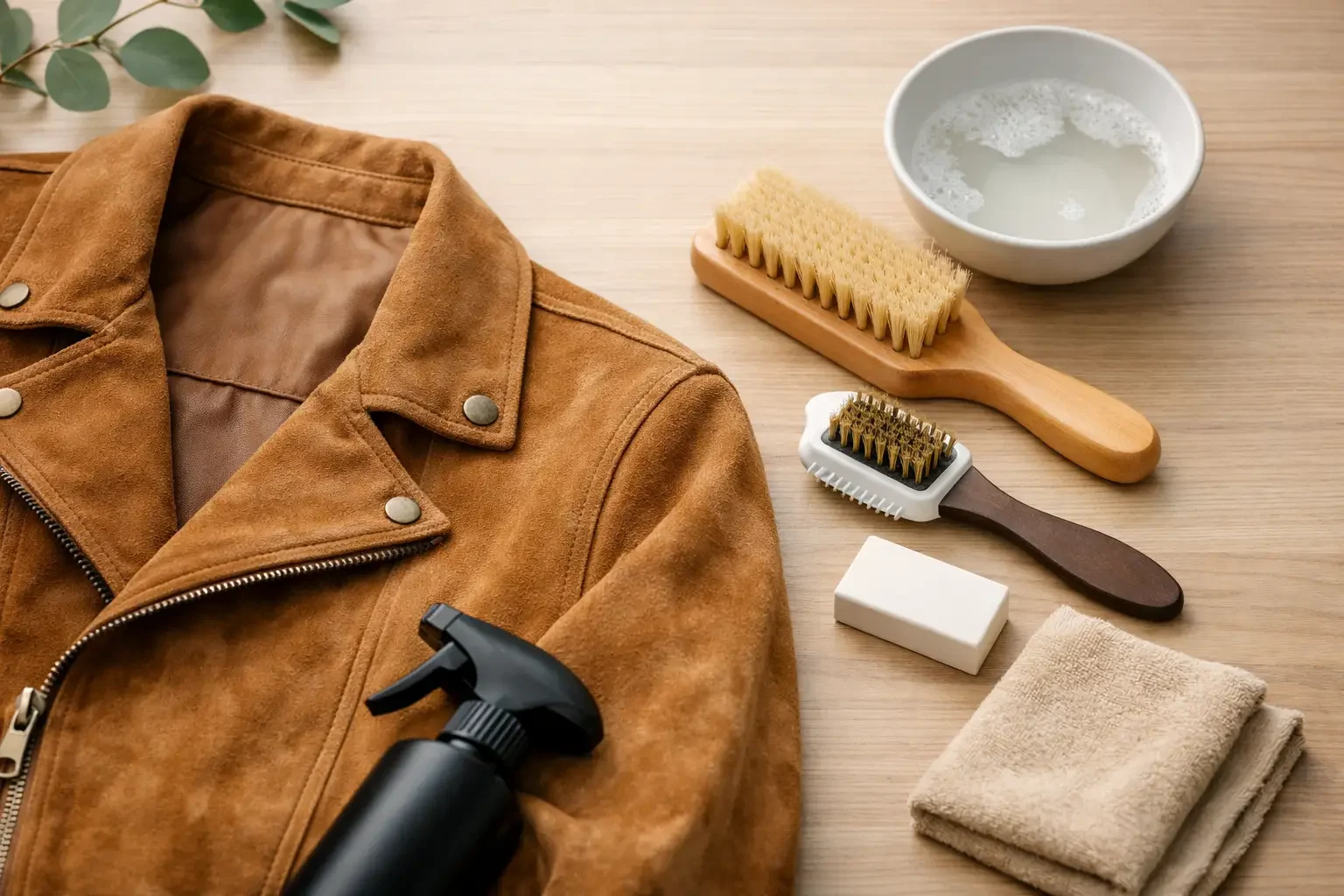
Leather demands a little judgment in bad weather. It can handle everyday use, but repeated soaking is not ideal for most finishes. Save your favorite piece for dry cold, and keep an insulated option ready for messy snow days.
Shearling for statement warmth
Shearling and sheepskin coats are made for people who want their outerwear to lead the look. The contrast between a rugged exterior and soft, insulated interior gives these pieces instant presence. Think aviator jackets, sheepskin bombers, and lined trucker styles that look just as right at a weekend cabin as they do in the city.
Because shearling has texture and volume, keep the rest of the outfit focused. Straight-leg denim, a clean thermal, and sturdy boots are enough. Let the coat be the flex. For shoppers who want warmth with vintage aviation energy, few styles hit harder.
Parkas and utility coats for wind and snow
When function is the priority, a parka earns its place. Longer hems, hoods, insulated linings, and multiple pockets make parkas ideal for exposed commutes, snow-heavy cities, and outdoor work or travel. They are less formal than wool and less fashion-first than leather, but the right fit still looks sharp.
Avoid sizing a parka too tight. You need room to move and enough space to add a fleece or sweater when temperatures get brutal. A drawstring waist can help control the shape and keep the coat from looking oversized.
Choose the Right Fit Before You Commit
The shoulder fit is the first thing to check. Shoulder seams should sit near the natural edge of your shoulders, not slide far down your upper arm unless the coat is intentionally oversized. You should be able to cross your arms, reach for a door, and sit comfortably without the back pulling tight.
Sleeves should cover the wrist and reach close to the base of the thumb when your arms are relaxed. Too short looks awkward and leaves your gloves-to-coat transition exposed. Too long can make even an expensive coat look borrowed.
Length changes the entire feel of a winter coat. Waist-length bombers and puffers are casual, active, and easy to wear with sneakers. Mid-thigh styles provide more warmth while keeping a balanced proportion. Longer coats look refined and offer the best protection from wind, but they work best when you are comfortable with a more deliberate silhouette.
When shopping online, use your chest measurement and compare it with the product size chart rather than relying only on your usual T-shirt size. Decide whether you want room for layers before choosing a size. If you are between sizes, the better choice often depends on the coat: size up for a fitted leather jacket you plan to layer, but avoid excess room in a structured wool coat.
Build a Winter Rotation, Not a One-Coat Compromise
One coat can cover a lot, but a small rotation covers real life. A practical puffer or parka handles rough weather. A wool coat takes care of polished plans. A leather bomber, varsity jacket, or shearling piece adds personality on the days you want your outerwear to say something.
This is where style becomes more than color matching. A varsity jacket brings sports nostalgia. A racing-inspired layer carries motorsport energy. A celebrity-inspired coat can turn a basic jeans-and-boots outfit into a recognizable statement. Mad Skin Wear is built for shoppers who want that range without treating winter dressing like a uniform.
If budget means choosing just one, pick the coat that matches your most common conditions and your most frequent outfits. A black insulated puffer is hard to beat for versatility. If your winters are dry and your wardrobe leans polished, charcoal wool may deliver more value per wear. If you already own practical outerwear, invest in the leather or shearling piece that makes cold weather feel less routine.
Small Details That Make a Big Difference
Do not overlook closures, pockets, collars, and hoods. A high collar keeps wind off your neck and can reduce the need for a scarf. Deep, lined pockets make a major difference on cold walks. A removable hood gives you more styling options, while a fixed hood is often more useful in unpredictable weather.
Also pay attention to the hardware. Strong zippers, secure snaps, and well-finished seams are signs a coat is ready for repeated wear. For leather and faux-leather styles, clean lines and a smooth fit around the zipper make the jacket look more expensive. For puffers, check that the quilting sits evenly and the insulation is distributed without thin spots.
Your winter coat should be the piece you reach for without hesitation, whether the plan is a night ride, a holiday trip, a packed commute, or a last-minute meet-up in the cold. Choose the one that can take the weather, fit your daily layers, and make the mirror check feel like a win before you even leave the house.