No products in the cart.: $0.00

Faux Leather vs Real Leather Jacket: Which to Buy
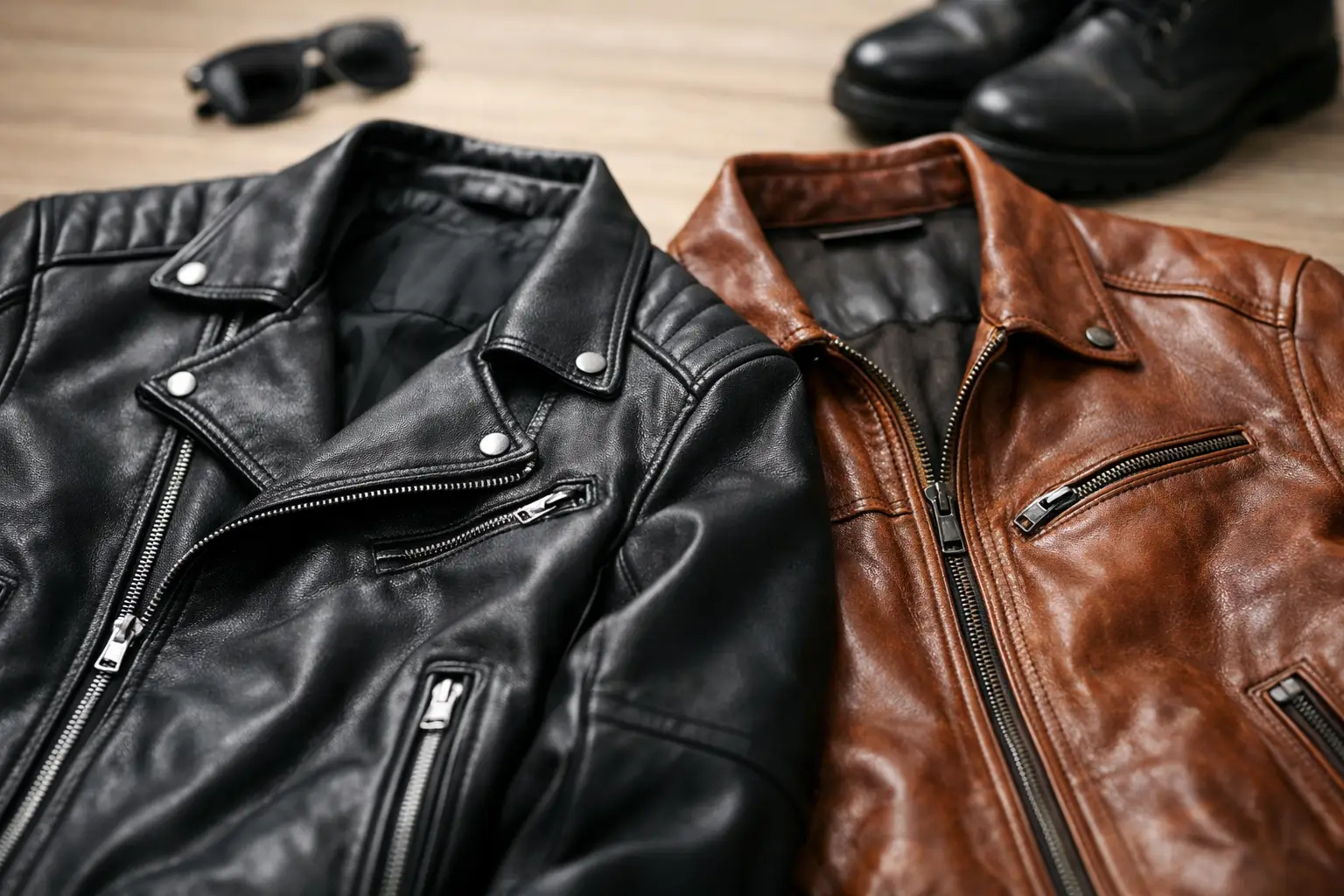
A black biker jacket can make a plain T-shirt, denim, and boots feel instantly sharper. But before you choose the hardware, fit, or finish, there is one decision that changes everything: material. In the faux leather vs real leather jacket debate, neither option automatically wins. The right choice depends on how you wear your outerwear, what you expect it to handle, and whether you want a jacket for the next trend cycle or for years of rides, nights out, and cold-weather layering.
Faux Leather vs Real Leather Jacket: The Core Difference
Real leather is made from animal hide, usually cowhide, lambskin, goatskin, or sheepskin. It has natural grain variation, softens with wear, and develops character over time. A genuine leather jacket is not perfectly uniform, and that is part of its appeal. The small shifts in texture and tone make it feel personal rather than mass-produced.
Faux leather is a man-made material, commonly polyurethane or PVC, designed to create a leather-like appearance. Modern faux leather can look impressively convincing from a distance, especially in smooth black moto jackets, cropped blazers, racing styles, and fashion-forward bombers. It is usually lighter on the wallet and often offers a more consistent color and finish from panel to panel.
The big distinction is how each material ages. Real leather breaks in. Faux leather eventually breaks down. That does not mean faux is a bad buy – it means you should buy it for the right reason.
When a Real Leather Jacket Is Worth It
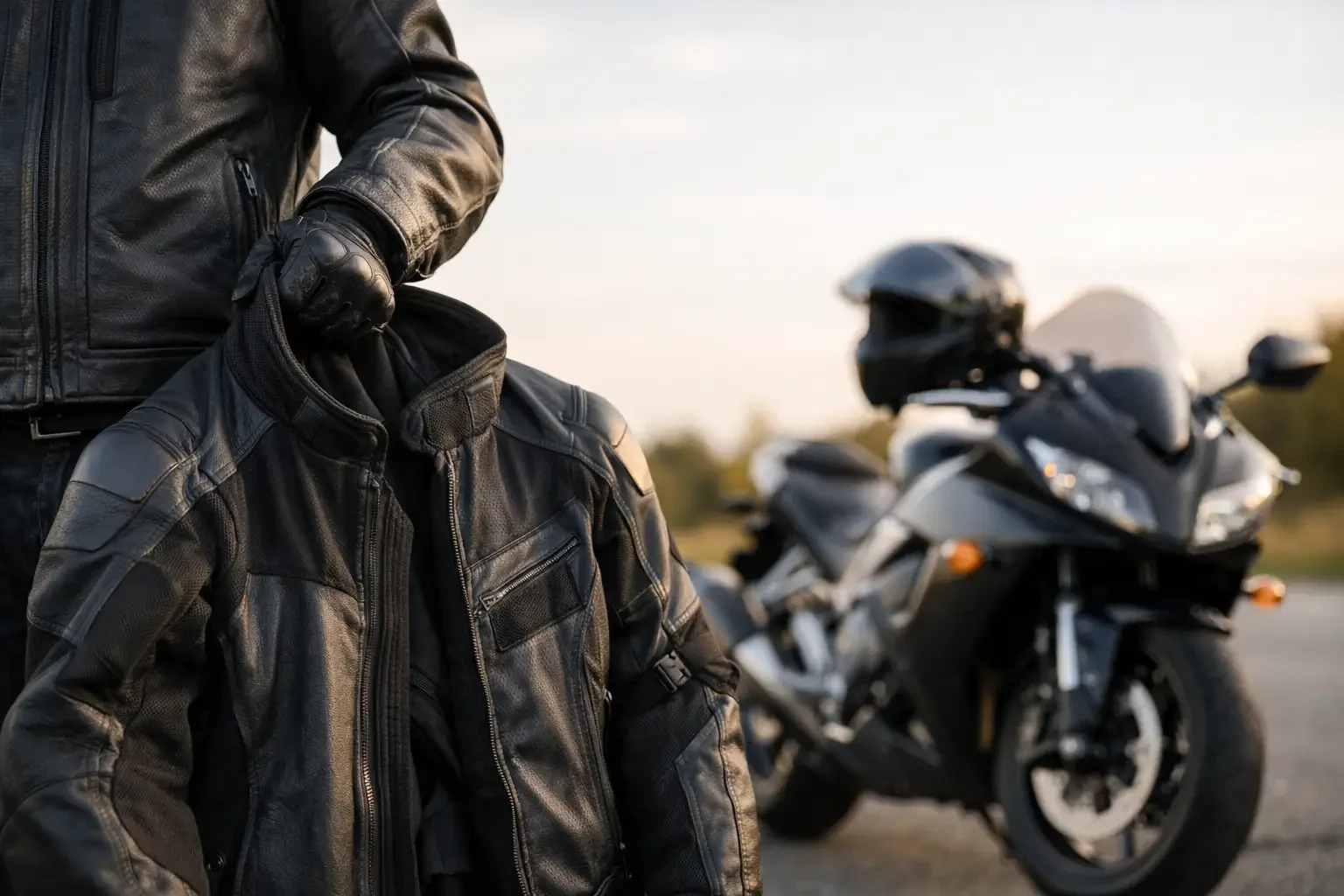
A real leather jacket is a style investment for someone who wants depth, durability, and a lived-in feel. If you are after a classic biker, café racer, leather bomber, or vintage-inspired layer, genuine leather brings the weight and presence that define those silhouettes.
It gets better with wear
A quality leather jacket starts a little structured, then gradually molds to your body. The sleeves crease where you move, the shoulders relax, and the surface gains a subtle patina. That evolution is why leather enthusiasts keep reaching for the same jacket year after year. It becomes part of your uniform, not just another piece hanging in the closet.
Lambskin is often softer and more lightweight, making it a strong choice for a sleek fashion jacket or a refined leather blazer. Cowhide usually feels thicker and tougher, which suits riders and anyone drawn to rugged motorcycle energy. The best pick comes down to your desired balance of softness, protection, and structure.
It can last for years
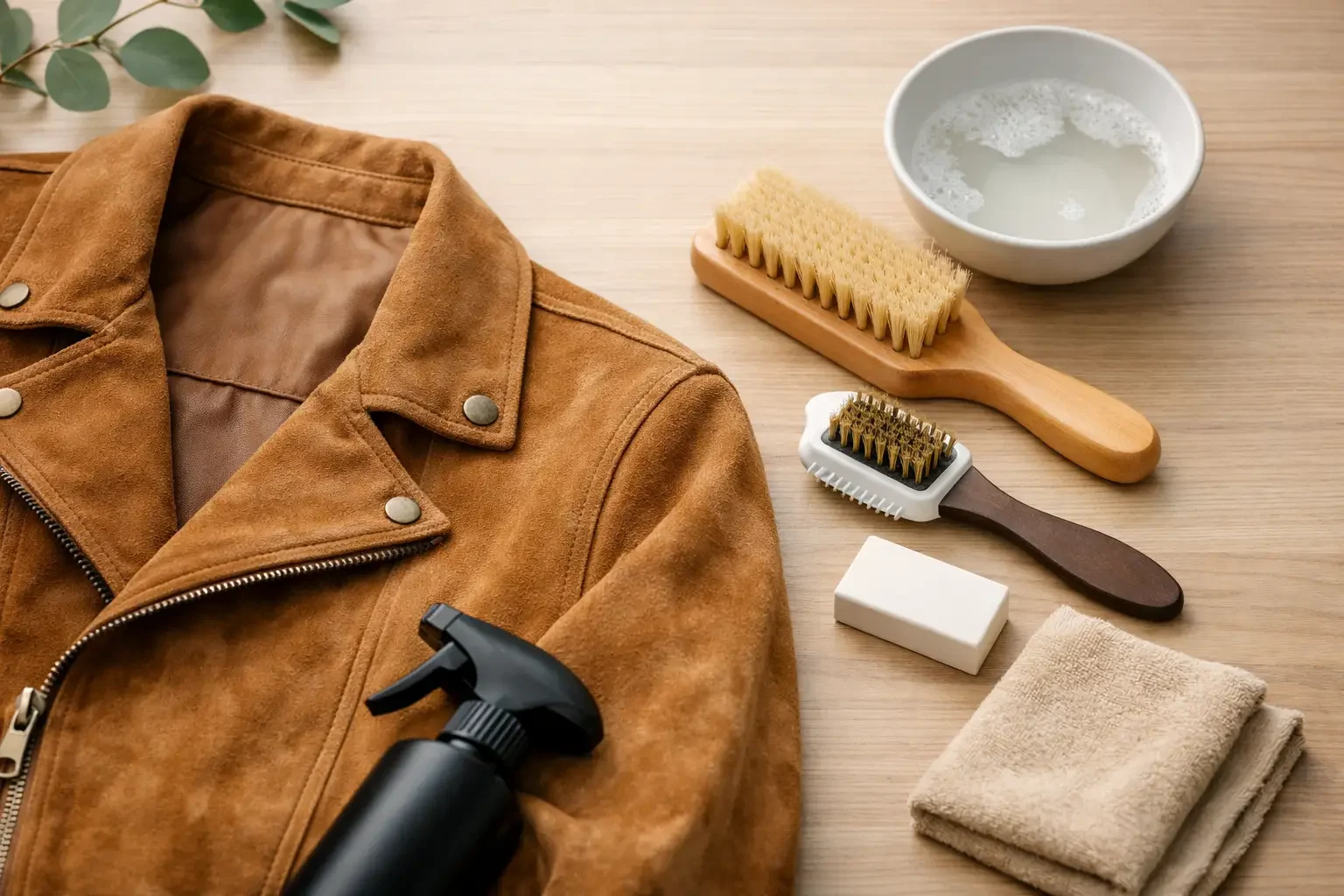
With proper care, genuine leather can stay in rotation for a long time. It resists tearing better than most faux alternatives and handles regular wear well. You will need to condition it occasionally, keep it dry when possible, and store it away from direct heat, but the maintenance is manageable.
For shoppers who wear leather multiple times each week through fall, winter, and spring, the higher upfront price can make practical sense. Cost per wear matters. A jacket that earns hundreds of outings can deliver stronger value than a lower-priced piece that needs replacing sooner.
It brings authentic texture
Some looks need the real thing. A distressed brown moto jacket, a heavyweight black biker, or a classic flight-inspired bomber gets much of its visual power from real leather’s grain, movement, and natural finish. If you want a jacket with heritage, edge, and an unmistakably premium feel, genuine leather has the advantage.
That said, real leather is not always the best option for wet commutes, packed travel, or a no-fuss wardrobe. It can feel heavier, cost more, and need more thoughtful care than a synthetic alternative.
When Faux Leather Makes More Sense
Faux leather is built for flexibility. It gives you the sharp attitude of a leather jacket without the same commitment in price, care, or styling expectations. For trend-led pieces, occasional outfits, and shoppers who like to switch up their look often, it can be the smarter move.
It gives you more style for your budget
Want a bold red moto, an oversized trench, a cropped blazer, or a high-shine racing jacket that makes a statement? Faux leather lets you experiment with silhouettes and colors without putting all your outerwear budget into one piece. That freedom matters when your closet moves between streetwear, concert fits, game-day layers, and polished night-out looks.
It is also ideal if you are buying your first leather-look jacket. You can test whether a biker cut, bomber shape, or belted trench truly fits your style before committing to genuine leather.
It is easier to wear casually
Most faux leather jackets need less special attention than real leather. Light surface marks can often be wiped away with a soft damp cloth, and you do not need to condition the material. Faux leather is also generally lighter, which can be more comfortable for long days, travel, or layering over a hoodie.
Do not confuse easy care with indestructible care, though. Faux leather can crack, peel, or stiffen as it ages, particularly when exposed to heat, prolonged sunlight, or poorly ventilated storage. Hang it properly, avoid folding it tightly, and do not leave it in a hot car.
It works for fashion-first purchases
A faux leather jacket is at its best when the silhouette leads the decision. Maybe you want a sleek women’s blazer for dinner plans, a varsity-inspired jacket with leather-look sleeves, or a dramatic piece tied to a celebrity or pop-culture moment. In those cases, a flawless finish, current cut, and accessible price may matter more than decades of wear.
Compare Warmth, Weather Resistance, and Comfort
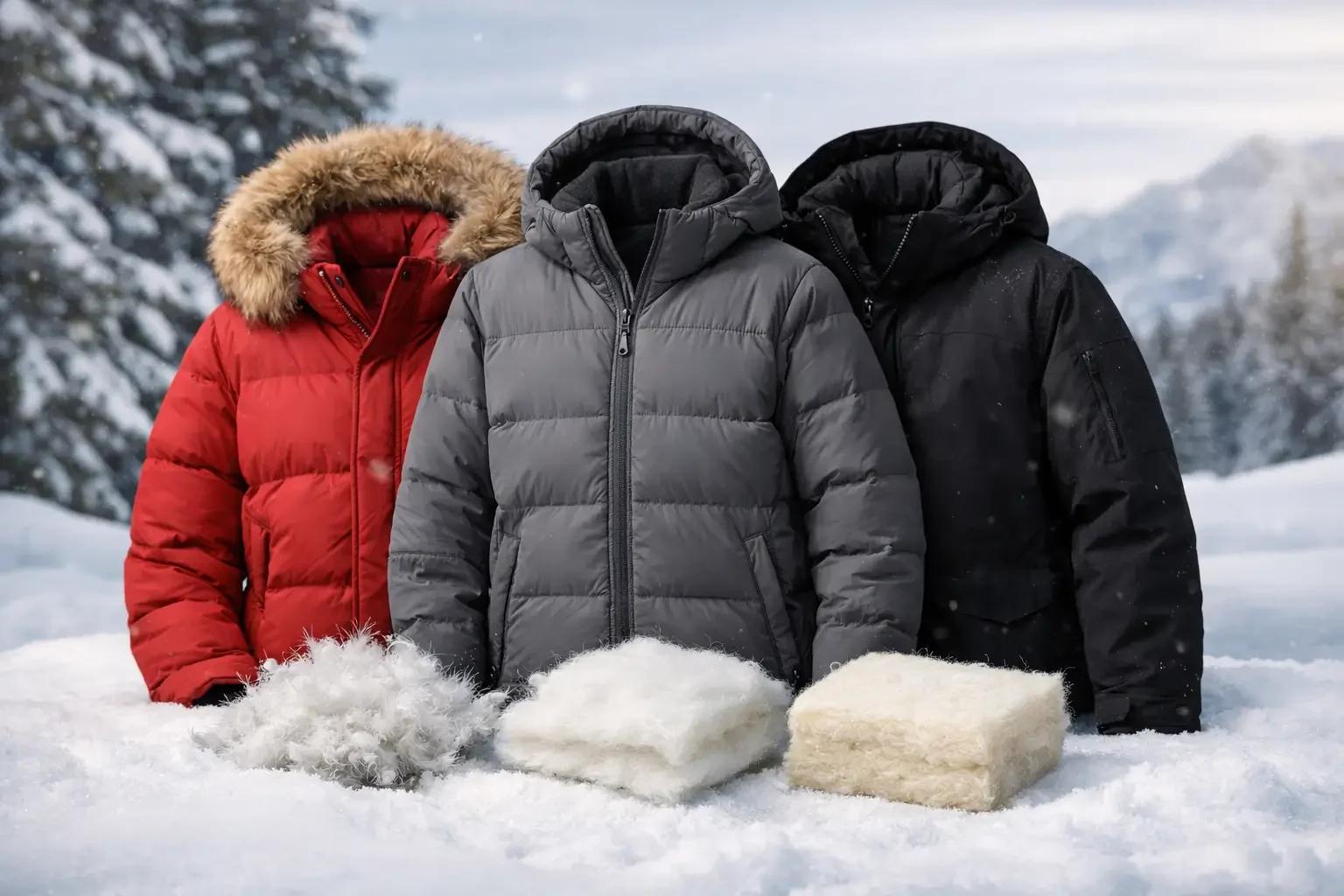
Neither material is automatically a winter jacket. Leather blocks wind well, but an unlined leather jacket will not provide the insulation of a puffer, parka, or shearling-lined coat. Faux leather can also cut wind, but its warmth depends heavily on the lining, fill, and room available for layers underneath.
For chilly city weather, a leather or faux leather jacket over knitwear can be a confident, practical combination. For serious cold, look for quilted lining, removable hoods, shearling details, or room for a heavyweight hoodie. Fit matters here. A jacket that looks great over a tee but feels restrictive over a sweater may not be the right cold-weather pick.
Rain is another trade-off. Leather can tolerate a brief drizzle, but repeated soaking can dry it out or leave marks if it is not treated correctly. Faux leather often sheds light rain more easily at first, yet moisture can still affect seams, backing fabric, and long-term durability. If you expect wet weather often, choose an outer layer designed specifically for rain protection.
How to Choose the Right Jacket for Your Wardrobe
Start with how often you will wear it. If you want one signature jacket to pair with jeans, boots, dresses, hoodies, and weekend plans for years, real leather is likely worth considering. Pick a versatile color like black, dark brown, or deep burgundy, and choose a shape that will outlive a single season.
If you want several looks, love trend-driven styling, or need to stay within a tighter budget, faux leather gives you more range. You can go cropped one season, oversized the next, then add a clean blazer or racing-inspired jacket without treating every purchase like a major investment.
Also think about fit before material. Shoulder seams should sit close to your natural shoulder line. You should be able to reach forward comfortably, especially in a moto jacket. A fitted leather jacket may loosen slightly with wear, while faux leather has less give, so do not buy either one uncomfortably tight in hopes it will transform.
At Mad Skin Wear, the strongest choice is the one that matches your identity as much as your forecast. Go genuine leather when you want a jacket that gathers stories with every wear. Choose faux leather when you want fresh attitude, easy versatility, and room to make the look your own. Either way, wear it like the jacket was the plan all along.