No products in the cart.: $0.00

Warmest Coat Insulation Types for Real Winter
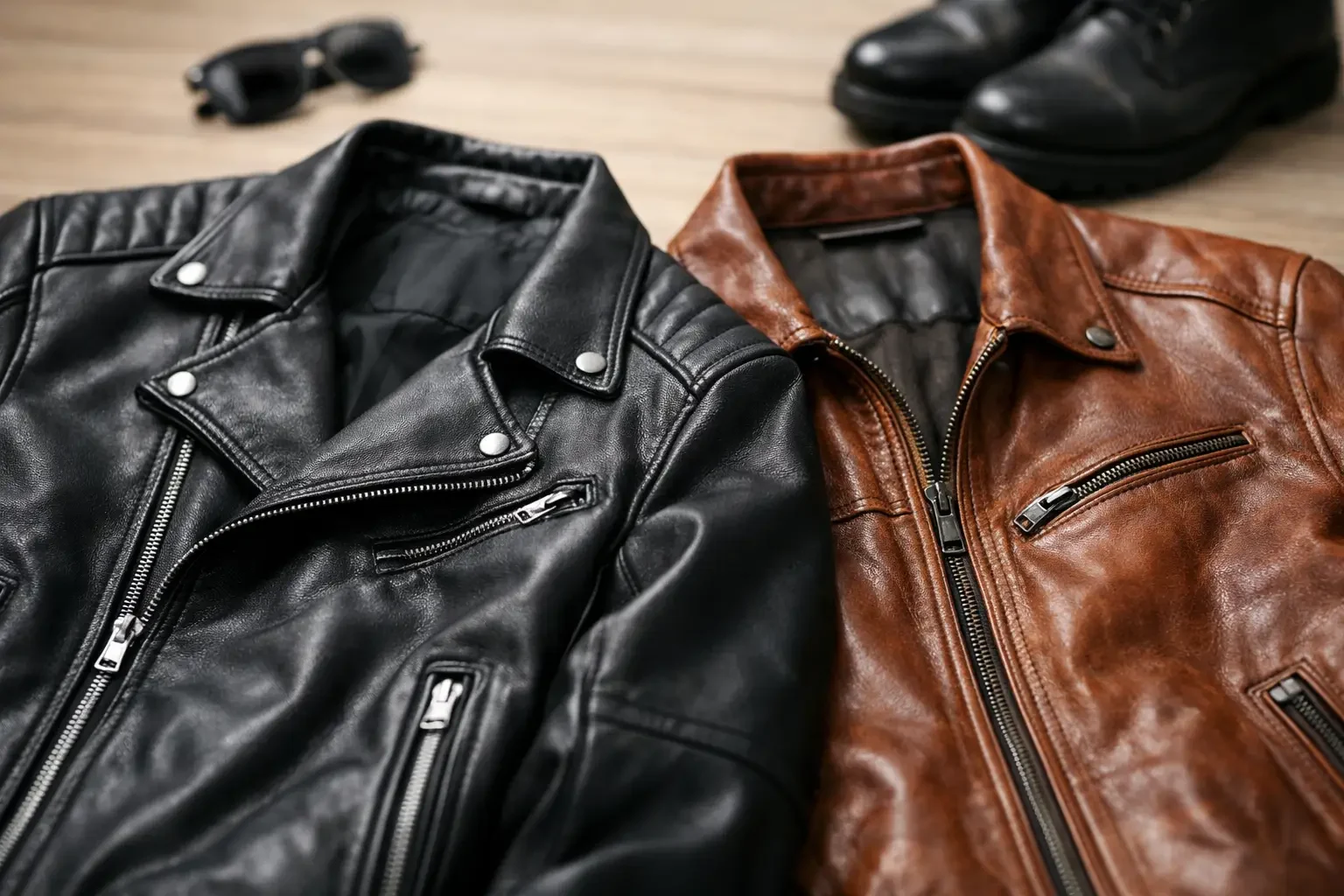
A leather biker jacket can own a cool fall night. When the forecast drops below freezing, though, the real question is what is working behind that sharp outer shell. The warmest coat insulation types do not all perform the same way, and the right choice depends on whether you are facing dry city cold, wet snow, wind-heavy commutes, or long hours outdoors.
Warmth is never just about a coat looking thick. Insulation traps body heat, but the shell fabric, lining, fit, length, hood, and your base layers all affect how warm you actually feel. A fashion-forward winter coat should still earn its place when the temperature turns serious.
Warmest Coat Insulation Types Explained
Down insulation: maximum warmth with minimum bulk
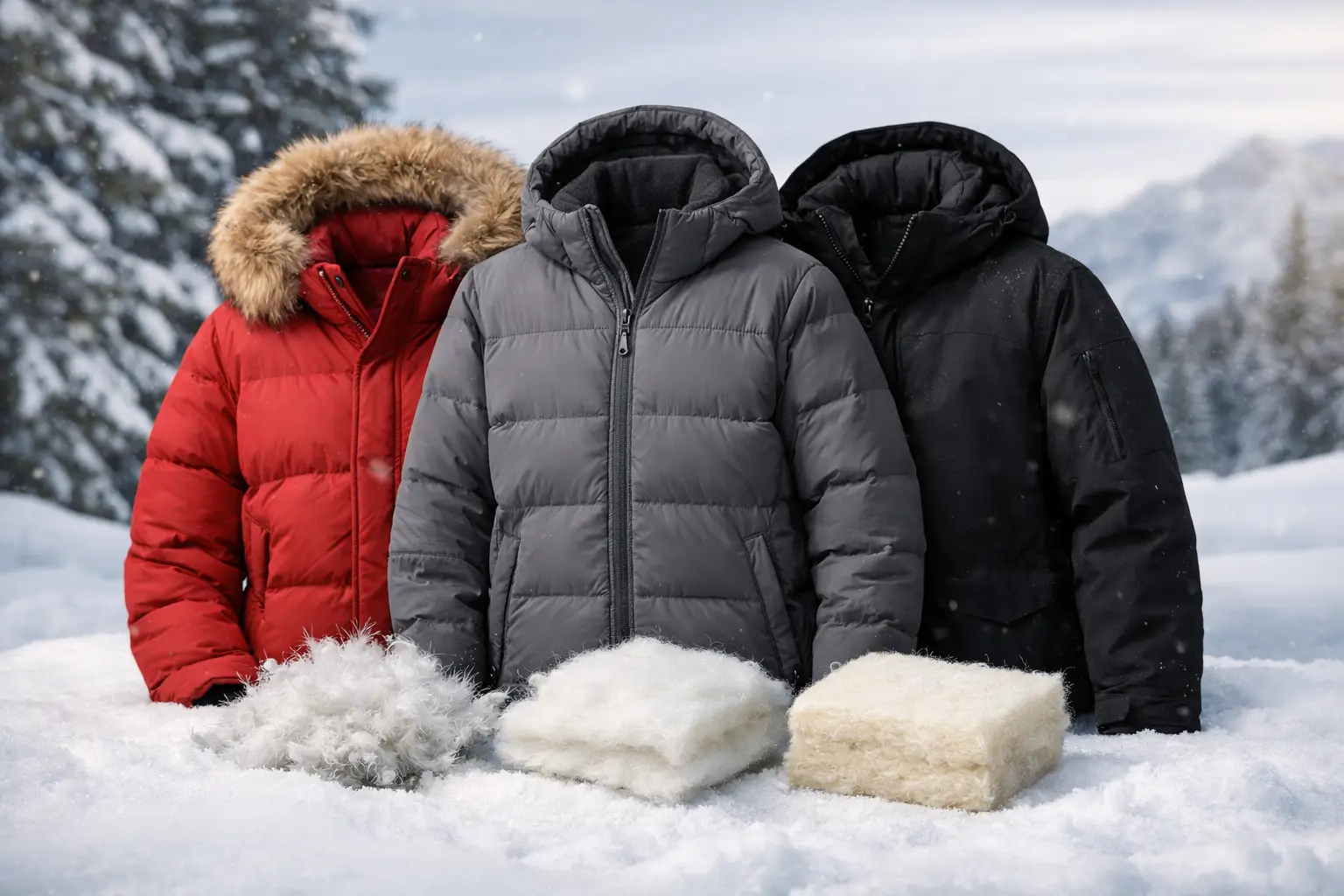
Down is the premium standard for lightweight warmth. It comes from the soft plumage beneath a duck or goose’s outer feathers, where tiny clusters create air pockets that hold onto heat. A well-made down puffer can feel remarkably light while delivering major insulation for cold, dry conditions.
When comparing down-filled coats, look beyond the word “down.” Fill power measures loft, or how much space the down creates. Higher fill power generally means more warmth for less weight, but it is not a complete warmth rating. The amount of insulation used matters too. A coat with high-fill-power down but a very light fill may suit brisk weather better than deep winter.
Down works best for dry, cold climates and anyone who hates a heavy coat. It packs down easily, making it a strong travel option. The trade-off is moisture. Wet down loses loft and becomes far less effective, so a water-resistant shell and careful drying matter. Down can also require more delicate cleaning than other insulated outerwear.
Synthetic insulation: dependable warmth in wet weather
Synthetic insulation uses engineered polyester fibers designed to mimic the heat-trapping structure of down. It may not compress as tightly or feel quite as airy as premium down, but it has a major advantage: it keeps insulating when damp.
That makes synthetic fill a smart move for rainy winters, wet snow, slushy sidewalks, and active days when you may build up moisture inside your jacket. It is also usually easier to care for and often comes at a more accessible price point. For a daily winter coat that has to handle unpredictable conditions, synthetic insulation delivers practical confidence.
The compromise is bulk. To reach the same warmth level as high-quality down, synthetic insulation often needs more material. Still, modern synthetic puffers and insulated parkas have come a long way. They can look streamlined instead of oversized, especially when the quilting and silhouette are designed with streetwear or tailored style in mind.
Shearling and sheepskin: natural insulation with serious presence
Shearling is one of the warmest and most iconic options in outerwear. Genuine shearling keeps the suede or leather hide on one side and the wool fleece on the other, creating a naturally insulating material with a substantial, high-end feel. Sheepskin offers similar cold-weather benefits and gives a coat the rugged character that works especially well with aviator, bomber, and moto-inspired silhouettes.
The wool fibers hold warm air close to your body while allowing some breathability, so shearling can feel cozy without the clammy sensation that comes from less breathable materials. It is an excellent choice for cold, dry conditions, and it brings instant visual impact. A shearling-lined leather jacket does more than cover up an outfit. It becomes the outfit.
There are trade-offs. Genuine shearling is heavier than a puffer and needs more care around heavy rain and road salt. It is also an investment piece rather than a throw-in-the-washer layer. For shoppers who want winter warmth, lasting structure, and vintage flight-jacket energy, that weight and character are part of the appeal.
Wool insulation: polished warmth for city winter
Wool has been protecting people from cold weather for generations because its fibers naturally trap heat and manage moisture. In coats, wool is often used as the main fabric rather than hidden fill. A dense wool blend overcoat, pea coat, or long belted coat can offer dependable warmth while looking more refined than a puffer.
Wool shines for commuting, dinners out, office wear, and dressed-up winter looks. It is breathable, naturally odor-resistant, and less dependent on bulky quilting. A longer wool coat also covers more of your body, which can make a dramatic difference on a windy day.
Do not assume every wool coat is built for extreme cold. A lightweight fashion coat with a small percentage of wool may be ideal for fall but not for a January cold snap. Check the fabric blend, lining, coat length, and room for a sweater underneath. For harsh weather, a wool outer layer with added insulation or a warm layering system is the stronger play.
Fleece and pile lining: soft, casual, and layer-friendly
Fleece, sherpa, and pile linings add soft warmth without the weight of a heavily insulated parka. You will often see them in trucker jackets, hooded styles, varsity jackets, workwear-inspired layers, and casual bombers. These materials trap warm air effectively, especially when paired with a wind-blocking outer shell.
On their own, fleece-lined jackets are usually best for cool to moderately cold weather. They become more capable when you layer them over a hoodie, thermal, or knit. This is the choice for shoppers who want relaxed streetwear energy and flexibility instead of a single bulky winter coat.
What Makes an Insulated Coat Feel Warmer?
Insulation is the engine, but the rest of the coat controls how much heat escapes. A lightweight down jacket with loose cuffs can feel colder than a less lofty coat that seals in warmth at the wrists, neck, and hem. Wind is especially unforgiving, so a durable shell, storm flap, high collar, adjustable hood, and snug closures can matter as much as the fill.
Length matters too. A cropped bomber has undeniable attitude, but it leaves more of your body exposed. A hip-length puffer is versatile for everyday errands and driving. A longer parka or wool coat gives extra coverage for walking, waiting for transit, and outdoor events. There is no wrong silhouette – just match the coat to how you actually spend winter days.
Fit should leave enough room for layers without creating big gaps for cold air. If you plan to wear a heavyweight hoodie or thick sweater, test your usual winter outfit beneath the coat. Restrictive sleeves and tight shoulders make layering frustrating, while an oversized fit can feel drafty unless cuffs and hems are well designed.
Choosing the Right Insulation for Your Winter
For below-freezing dry cold, down and genuine shearling are standout choices. Down offers the most warmth with the least weight, while shearling brings a richer, more structured look for people who want a jacket with heritage and edge.
For rain, snow, and changing forecasts, synthetic insulation is often the safer everyday bet. It handles damp conditions better and asks less of you when it comes to maintenance. A water-resistant synthetic puffer can be the coat you grab without checking the weather twice.
For city style and dressier plans, choose a dense wool coat with a quality lining, then build warmth through layers. For casual fall-to-winter wear, a sherpa-lined denim, leather, or varsity jacket can carry you far when paired with a thermal and a hoodie. Leather itself blocks wind well, but it is not automatically deeply insulated, so look for quilted, fleece, removable, or shearling linings when real cold-weather performance is the goal.
Don’t Shop by Insulation Alone
A coat can have great fill and still miss the mark if it does not suit your lifestyle. Motorcycle riders may prioritize wind protection, a secure collar, and mobility. Streetwear fans may want a bold puffer that leaves room for oversized layers. Someone headed to a stadium, mountain town, or early-morning commute may need a longer insulated coat with a hood and covered pockets.
Also consider how often you will wear it. A dramatic shearling aviator deserves its moment, but a synthetic parka may handle the daily grind better. The strongest outerwear lineup often includes both: one statement jacket that turns heads and one winter workhorse that does not back down from bad weather.
Choose the insulation that fits your forecast, then choose the silhouette that feels like you. When warmth and personal style pull in the same direction, getting dressed for winter stops feeling like a compromise.