No products in the cart.: $0.00

Winter Coats That Bring Heat and Style
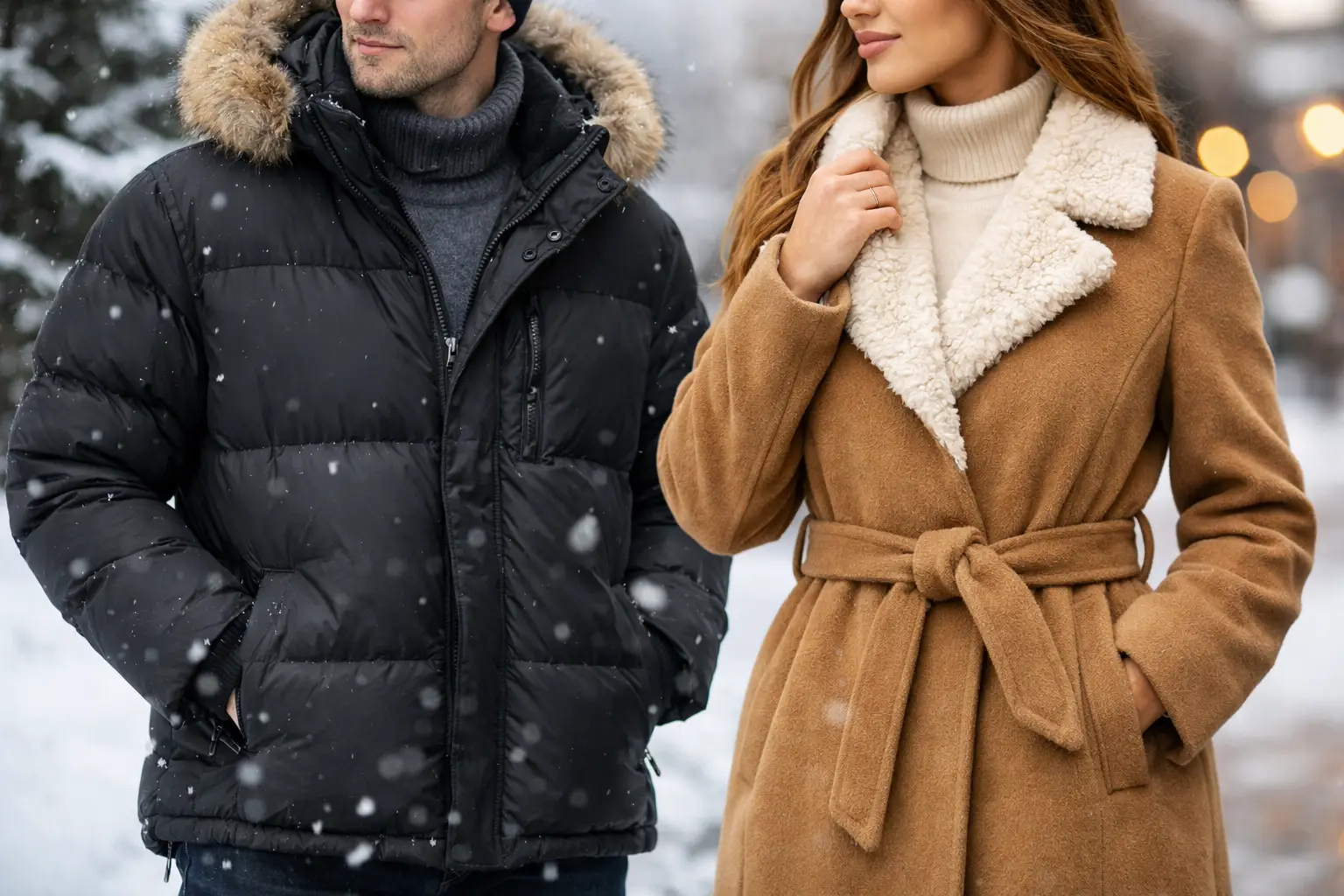
The temperature drops, the wind picks up, and suddenly the jacket that looked great in October is not getting the job done. The right winter coats do more than cover a layer underneath. They set the tone for every cold-weather outfit while keeping you ready for icy commutes, late-night plans, game days, road trips, and whatever the season throws your way.
A winter coat should feel like part of your identity, not a compromise you make until spring. Whether your look leans toward rugged biker energy, polished city style, vintage varsity, streetwear edge, or classic everyday warmth, the strongest choice balances insulation, weather protection, fit, and the details that make people look twice.
Start With Your Actual Winter
Not every cold day calls for the same level of protection. A lightweight quilted jacket may be perfect for a crisp Southern morning, but it will feel underpowered when temperatures stay below freezing or snow becomes part of the forecast. Before choosing a coat, think about where you will wear it most and how long you will be outdoors.
For cool, mostly dry weather, a wool-blend coat, leather jacket with room for a hoodie, or lightly insulated puffer can carry your wardrobe without making you overheat. These options keep a clean silhouette and work well for driving, errands, dinners, and daily city wear.
For wet, windy conditions, look beyond warmth alone. A water-resistant shell, secure zipper, storm flap, adjustable hood, and fitted cuffs can make a major difference. Wind finds its way through open collars and loose sleeves fast. A coat that blocks drafts often feels warmer than a bulkier piece with weak construction.
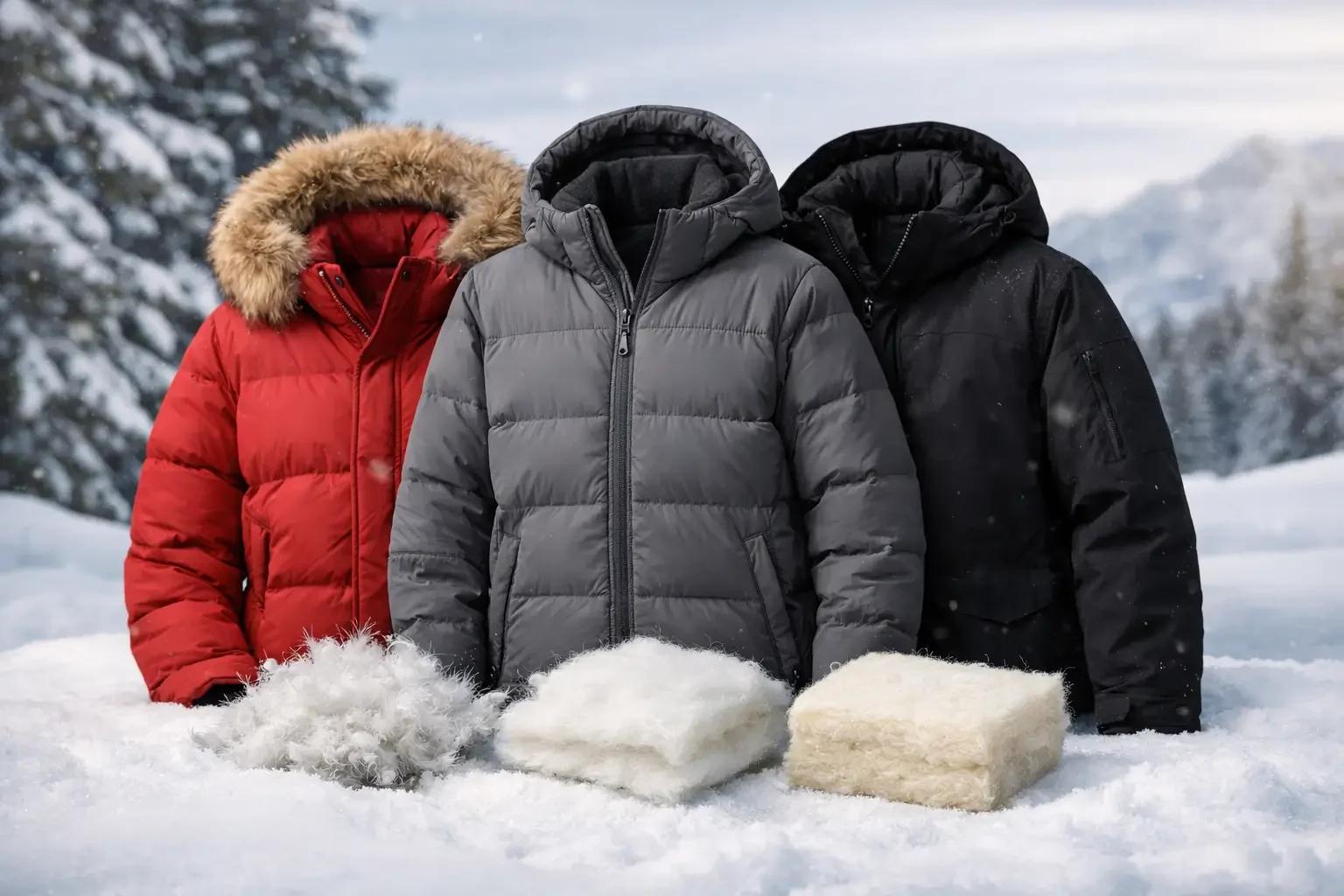
For serious cold, insulation matters most. Down fill offers impressive warmth with little weight, while synthetic insulation remains dependable when damp and is often easier to care for. Longer coats also provide extra coverage across the hips and upper legs, which is a real advantage when you are waiting for a train, walking across campus, or standing outside at an event.
Winter Coats Need the Right Insulation
Insulation is where comfort gets real. It traps body heat, but the best option depends on how you move through winter. If you spend a lot of time going from a heated car to heated buildings, an oversized expedition-style parka may be more coat than you need. On the other hand, a sleek fashion coat can leave you cold if your day includes long walks in sharp wind.
Down is known for being warm, light, and highly compressible. It is a strong choice for dry, cold climates and anyone who wants substantial warmth without a heavy feel. Its trade-off is that it can lose performance when soaked, so a protective outer shell is worth having if rain and slush are common.
Synthetic fill is a practical all-weather player. It holds warmth better in damp conditions, dries faster, and can be a smart pick for active days, travel, or unpredictable forecasts. It may feel slightly bulkier than down at the same warmth level, but modern insulated coats have come a long way from stiff, oversized designs.
Shearling and sheepskin bring a different kind of winter power. They offer natural warmth, texture, and unmistakable presence. A shearling-lined leather jacket or aviator coat works especially well when you want your cold-weather layer to be the main event. It is a more style-led investment, so consider your climate and how often you will wear it before choosing a heavy piece.
Choose a Fabric That Matches Your Style
Fabric changes both the function and attitude of a coat. The smartest winter wardrobe often includes more than one outerwear option because a snow-ready parka, a leather jacket, and a tailored wool coat each serve different moments.
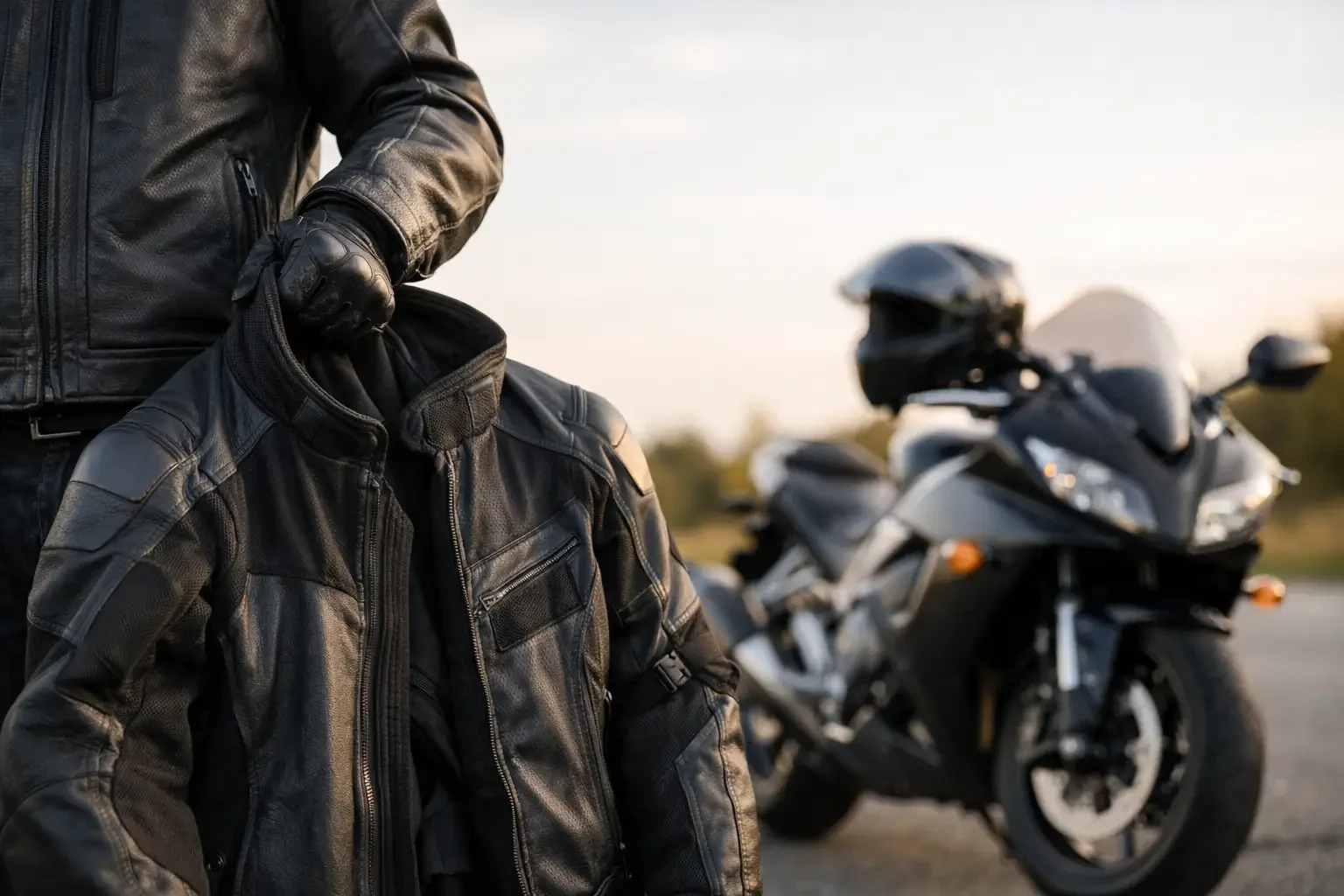
Leather brings toughness, structure, and a finish that gets better with personality. A leather biker jacket layered over a knit or hoodie is ideal for milder winter days, while a shearling-lined leather coat has the warmth to take on colder conditions. Keep in mind that standard leather is not automatically waterproof. Treat it well, avoid prolonged soaking, and give it enough room for layers.
Wool and wool-blend coats deliver sharp, elevated style. Think double-breasted overcoats, belted wraps, and tailored longline silhouettes that work over denim as easily as they do over office-ready outfits. Wool holds warmth well, but it is not the best answer for heavy rain unless it has a protective finish or you are keeping your outdoor time short.
Nylon and polyester shells are common on puffers, parkas, and technical winter coats because they are lightweight, durable, and better equipped to handle moisture. These fabrics also make bold colors, glossy finishes, color blocking, and oversized streetwear proportions easy to wear. If you want a coat that can handle snow days without losing its edge, this category is hard to beat.
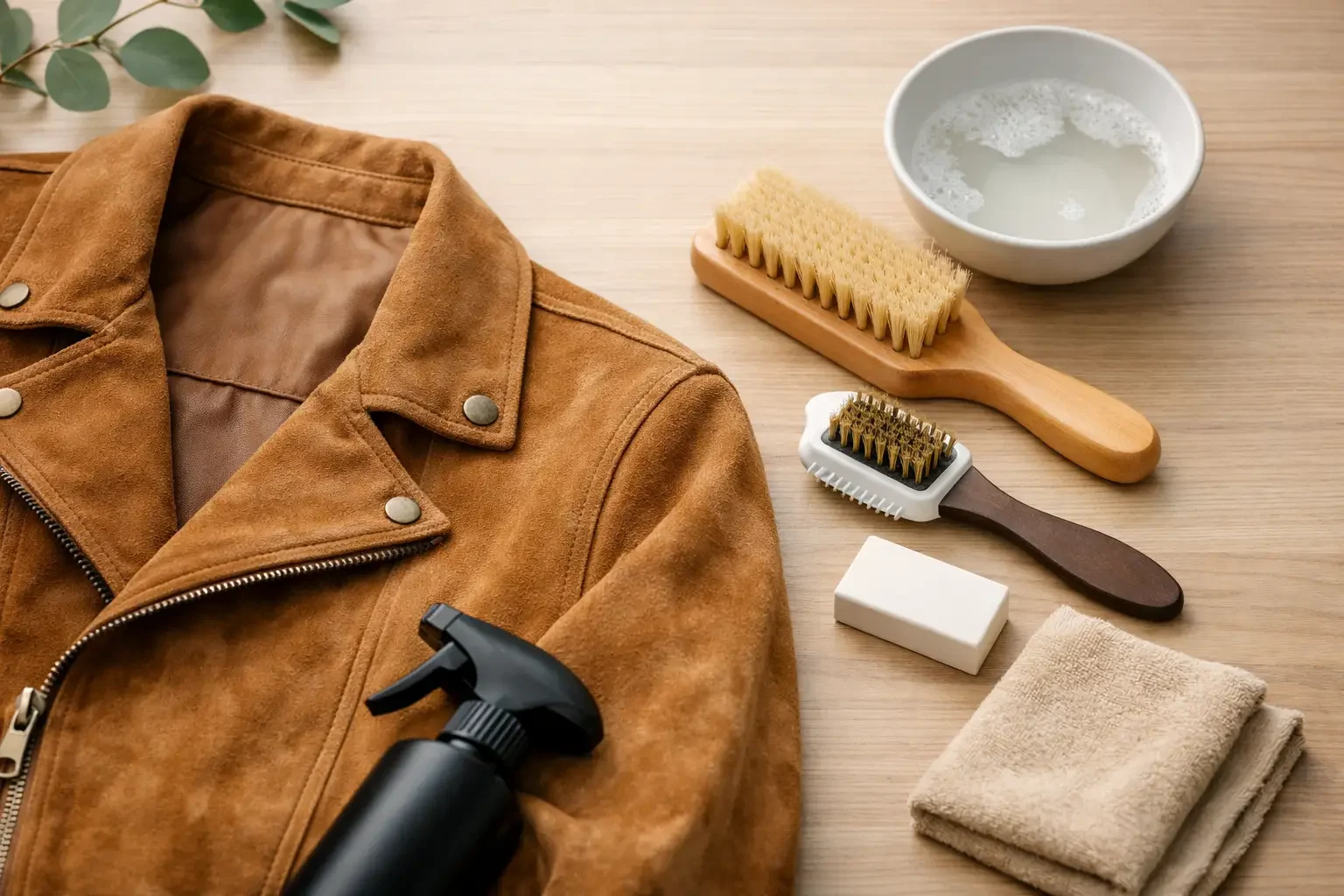
Suede makes a strong visual statement, especially in rich brown, black, tan, or deep burgundy. It is better for dry cold than wet weather, so save it for days when the forecast is on your side. That trade-off is worth it when you want texture that makes a simple outfit feel more considered.
Fit Is What Makes the Look Work
A coat can have premium warmth and still disappoint if the fit is wrong. The key is to try it on mentally with the layers you actually wear. If you live in hoodies, chunky sweaters, or flannels from November through February, a close-fitting jacket may feel restrictive fast.
Shoulders should sit naturally without pulling when you reach forward. Sleeves should cover your wrists, especially if the coat does not have internal knit cuffs. When zipped or buttoned, you should be able to move, sit, and drive without feeling like the coat is fighting you.
Length is personal, but it has practical impact. Cropped puffers, bombers, and moto jackets bring an energetic silhouette and pair well with jeans, cargos, joggers, and high-waisted styles. Mid-length coats are versatile daily choices. Long parkas and overcoats offer more warmth and a more dramatic finish, especially when winter weather is relentless.
Oversized fits can look intentional and current, but there is a line between relaxed and swallowed up. Balance volume with the rest of your outfit. A roomy puffer works with slimmer pants or straight-leg denim, while a tailored coat can sharpen up looser trousers and sneakers. Your coat does not have to match every piece in your closet, but it should work with the outfits you reach for most.
Details That Earn Their Place
The best winter pieces make cold-weather life easier without looking overly technical. A few features are especially worth checking before you commit:
- A hood adds instant protection from snow, wind, and surprise rain. Removable hoods offer more styling flexibility.
- Deep, lined pockets keep hands warmer and give your phone, keys, and gloves a secure place to go.
- Ribbed cuffs, drawcord hems, and storm flaps help seal in heat when the wind is doing the most.
- Strong zippers, snaps, and reinforced seams matter because winter coats get worn hard, often every day.
Style details count, too. A bold racing stripe, varsity patch, quilted leather panel, oversized collar, or contrast lining can turn a practical purchase into a signature piece. If the coat makes you feel more confident walking out the door, it will earn far more wear than a safe option that disappears into the closet.
Build a Winter Rotation, Not a One-Coat Rule
One great coat can cover a lot of ground, but a small rotation gives you more mileage and better style options. A weather-ready puffer or parka handles freezing days. A leather, bomber, or varsity jacket keeps your look sharp when temperatures are cool but manageable. A polished wool coat or faux-fur-trimmed layer steps in when the plan calls for something more elevated.
This approach also protects your investment. Rotating outerwear gives each piece time to air out and maintain its shape. Hang heavier coats on sturdy hangers, clean off road salt and surface dirt promptly, and always follow the care label. For leather and suede, use products made for the material rather than treating them like an everyday sweatshirt.
At Mad Skin Wear, the strongest winter choice is never just about surviving the forecast. Pick the coat that meets your climate, fits your real routine, and carries the attitude you want to bring into the season. When the cold hits, you should be ready to layer up, step out, and look like you meant to make an entrance.